

What FABTECH 2026 put on the production agenda
FABTECH 2026 ran in Las Vegas on October 21–23. Nordson's official event program listed an October 22 session comparing batch and automated finishing systems. The practical theme for a metal-product buyer is production flexibility, rather than choosing a powder from a color image alone.
For manufacturers supplying cabinets, furniture or fabricated components in several finishes, an order may involve short runs and frequent color changes. That changes the sample brief. The powder must be assessed with the planned batch size, cleaning sequence and acceptance standard, as well as the final appearance. These are useful questions to take from the exhibition program into the next supplier discussion.
Describe the order mix before selecting a powder
Tell the supplier how many colors and finishes normally share the line, which combinations follow each other and the typical quantity in each run. Explain whether application is manual, automatic or mixed, and identify the part sizes and hanging arrangement. A sample trial for one uninterrupted color run does not answer every question about a mixed production schedule.
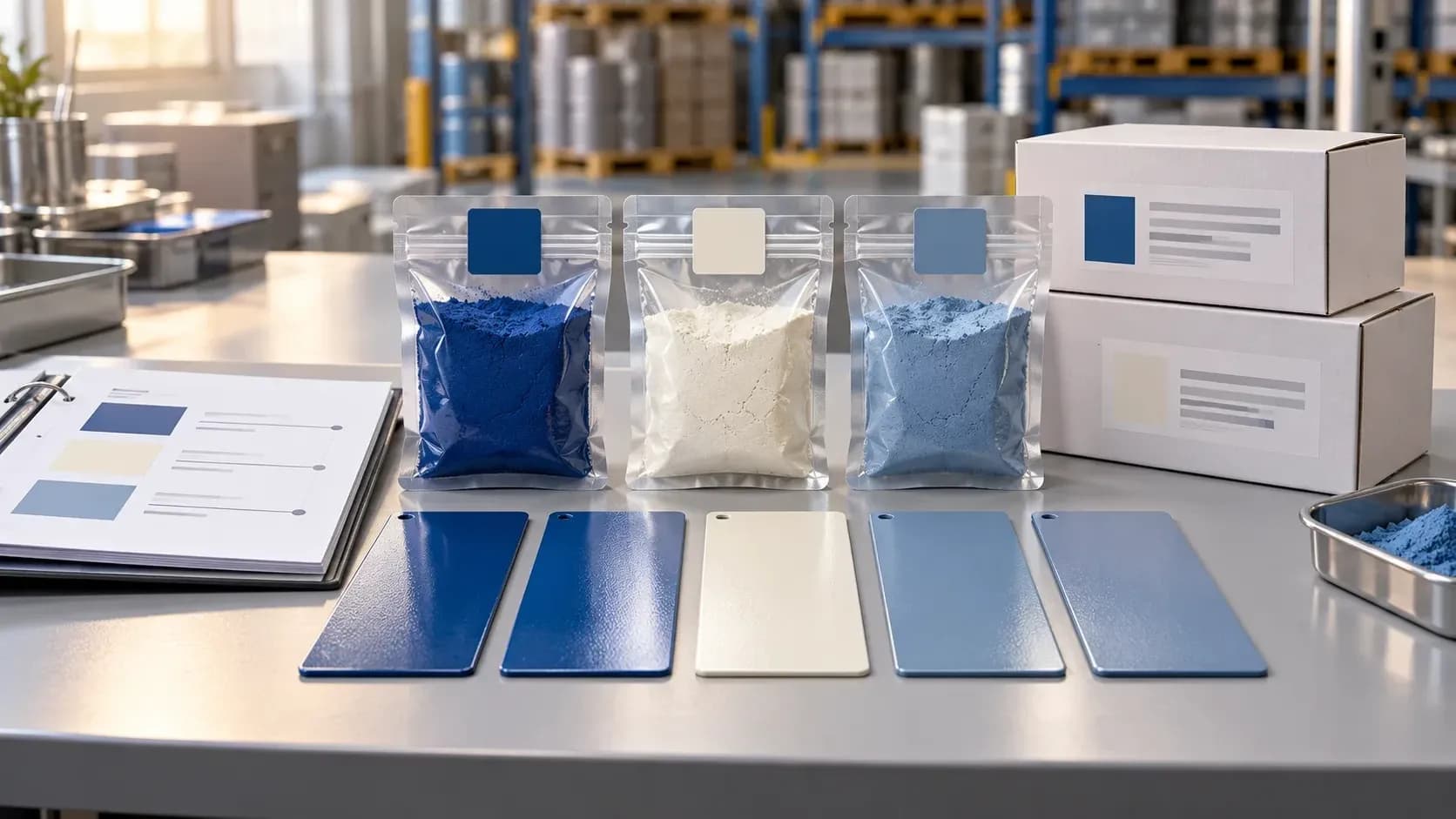
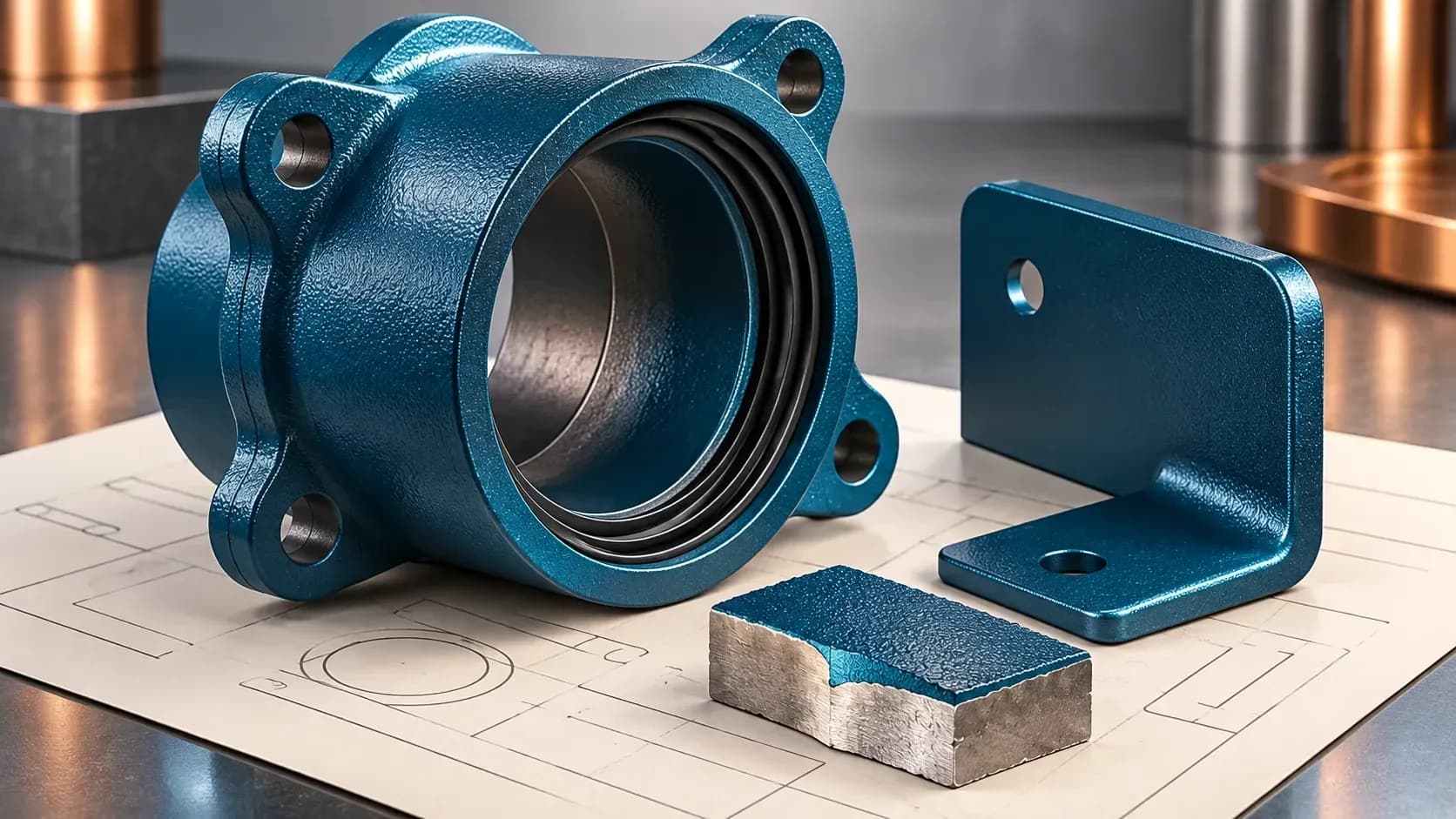
For interior metalwork, DAMEI's indoor epoxy-polyester powder coating is one product category to review. Exterior components may call for an outdoor pure polyester formulation. Choose the chemistry around the service environment first, then discuss how the proposed finish can be processed within the available line.
Define a visible clean-change acceptance point
A changeover plan should state what is cleaned, what is replaced or isolated, and which first parts will be inspected. Include the powder feed route, application equipment, booth and recovery arrangement in the discussion with the equipment team. Follow the applicable equipment instructions and site procedures when carrying out the change.
Use representative parts to agree when the new color is acceptable. Look for unwanted specks, residual color, inconsistent texture and contamination in visible areas. Select a demanding color sequence from actual orders, rather than assuming that every transition behaves like the easiest pair. Record how many trial parts were needed before the agreed appearance was achieved, without turning one result into a universal changeover-time promise.
Keep reclaim and special finishes in the trial plan
Clarify whether recovered powder will be used for the chosen product and which controls apply. Agree how fresh and recovered material will be identified and handled. A successful sample made entirely with fresh powder should not silently become approval for a different production mixture.
This is especially relevant when discussing metallic and art-effect powder coatings. Compare approved reference panels and representative components under consistent viewing conditions. Check whether the intended application and recovery practice changes color, sparkle, gloss or texture. Document the accepted combination of material, equipment settings and handling, so the next production run has a usable reference.
Send DAMEI a brief that includes the production sequence
Use the DAMEI color and finish catalog to start a discussion, then add information that a color code cannot provide:
- The component, substrate and indoor or outdoor service environment.
- Color sequence, finish types and approximate quantity per run.
- Manual or automatic application, recovery practice and available cure profile.
- Appearance reference, contamination limits and first-part acceptance checks.
- Sample quantity, production timing and the documents needed for review.
Contact DAMEI with those details to discuss candidate powders and sample arrangements. A useful trial should establish both the accepted finish and the practical sequence needed to reproduce it across your orders. Keep the reference panels and changeover record together when reviewing future batches.