Pure polyester powder coating developed for exterior metal products where weathering, color retention, and corrosion-system durability matter. The exact durability grade, finish, pretreatment, film build, and cure profile are selected and validated for the project.
Pure polyester powder coating developed for exterior metal products where weathering, color retention, and corrosion-system durability matter. The exact durability grade, finish, pretreatment, film build, and cure profile are selected and validated for the project.
Sample format, cost, shipping and timing are confirmed after reviewing your B2B project.
Use these manufacturer TDS documents as a starting point for chemistry, finish, cure and test review. Confirm the exact formulation, revision and project acceptance criteria before approval or bulk ordering.
Specialty & Process TDS · 3 pages
Outdoor Polyester TDS · 3 pages
Primers & Coating Systems · 3 pages
Outdoor Polyester TDS · 3 pages
Outdoor Polyester TDS · 3 pages
Outdoor Polyester TDS · 3 pages
Outdoor Polyester TDS · 3 pages
Outdoor Polyester TDS · 3 pages
Outdoor Polyester TDS · 3 pages
Outdoor Polyester TDS · 3 pages
Outdoor Polyester TDS · 4 pages
Outdoor Polyester TDS · 3 pages
Outdoor Polyester TDS · 3 pages
Outdoor Polyester TDS · 3 pages
Outdoor Polyester TDS · 3 pages
Outdoor Polyester TDS · 3 pages
Outdoor Polyester TDS · 3 pages
Outdoor Polyester TDS · 3 pages
Outdoor Polyester TDS · 3 pages
Outdoor Polyester TDS · 3 pages
Outdoor Polyester TDS · 3 pages
Outdoor Polyester TDS · 3 pages
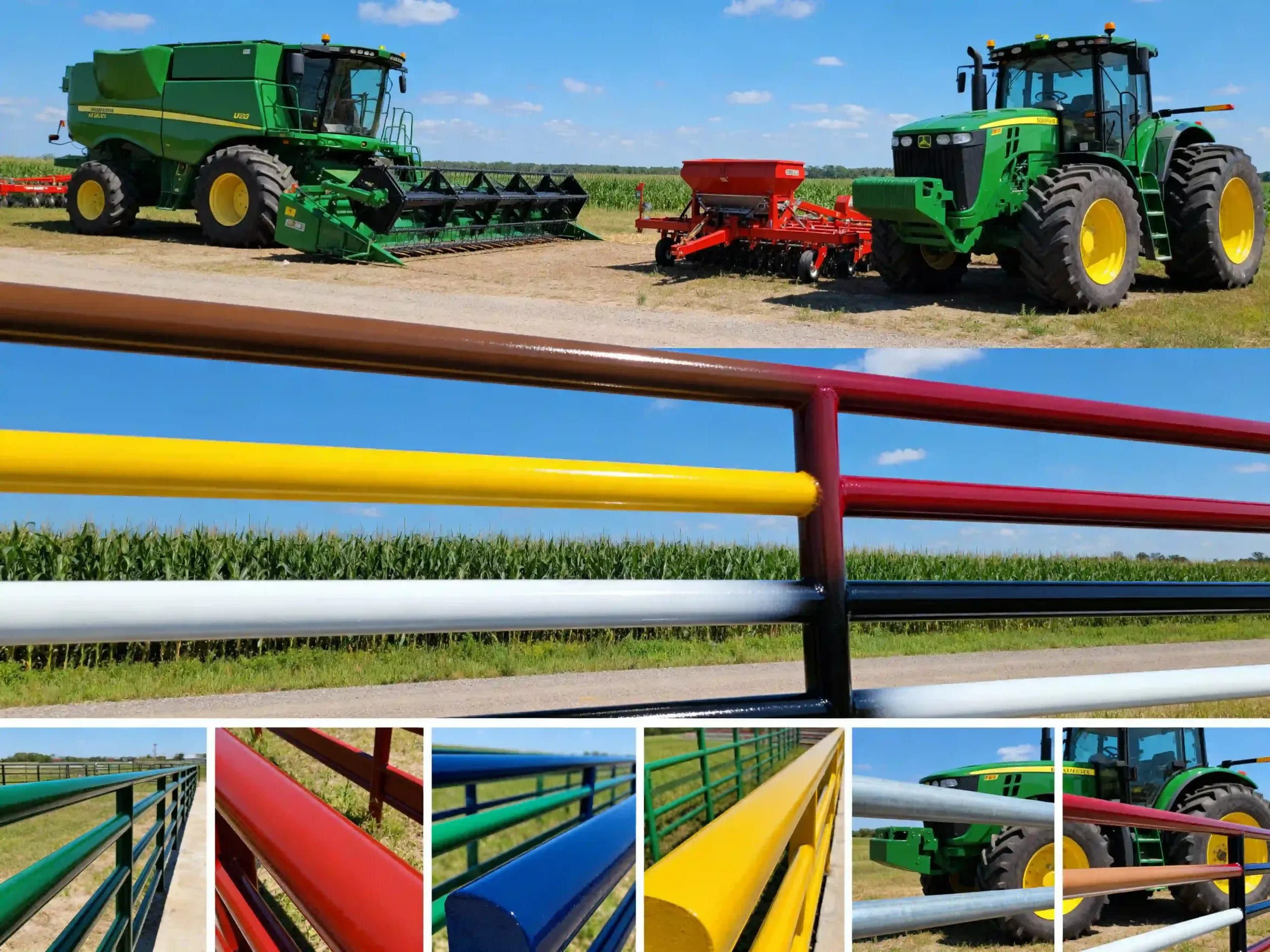

DAMEI outdoor pure polyester powder coating is developed for metal products exposed to sunlight, rain, temperature changes, and industrial handling. Typical applications include architectural metalwork, aluminum profiles, outdoor furniture, agricultural equipment, guardrails, enclosures, gates, and fabricated steel components.
Outdoor durability is a property of the complete coating system, not the resin name alone. The correct grade must be chosen for the climate, exposure class, substrate, pretreatment, film thickness, color, gloss, and required test method. No fixed service-life claim should be applied before those conditions are known.
Surface preparation is decisive. The metal should be clean and dry with a pretreatment suitable for the substrate and exposure class. During the trial, measure actual part temperature, coating thickness, adhesion, color, gloss, and coverage at edges and recesses. If corrosion performance is critical, validate the whole pretreatment-plus-powder system on representative parts rather than relying on a generic powder claim.
Weathering data must be interpreted against the exact formulation, color, gloss, film thickness, and test standard. Accelerated laboratory tests help compare systems but do not translate directly into a guaranteed number of outdoor years.
For the selected formulation, request the available technical data sheet, safety data sheet, approved color panel, sample test record, and batch documentation. If a regulation or customer standard is mandatory, name the exact document and acceptance criterion before ordering so applicability can be checked.
DAMEI's published ISO management-system certificates can be reviewed on the About page. They describe the certified management scope and should not be represented as product-specific weathering or compliance certificates.
Browse available colors and finishes in the powder coating color catalog, compare sourcing steps on the China powder coating manufacturer page, or request a matched sample.
There is no responsible universal answer. Service life depends on formulation grade, color, pretreatment, film build, climate, part design, installation, and maintenance. Define the exposure and test requirement first.
Polyester systems are normally the starting point for UV-exposed applications. The exact grade still needs validation for the project.
A match can be developed, but the team needs to know whether the target is the original color or the aged surface. A retained original panel is preferable when available.
No. Substrate preparation, pretreatment, edge design, film thickness, cure, and damage control are all part of corrosion performance.
Include the substrate, exposure, color reference, finish, test requirements, line conditions, expected usage, and destination market.
Discover more powder coating solutions.
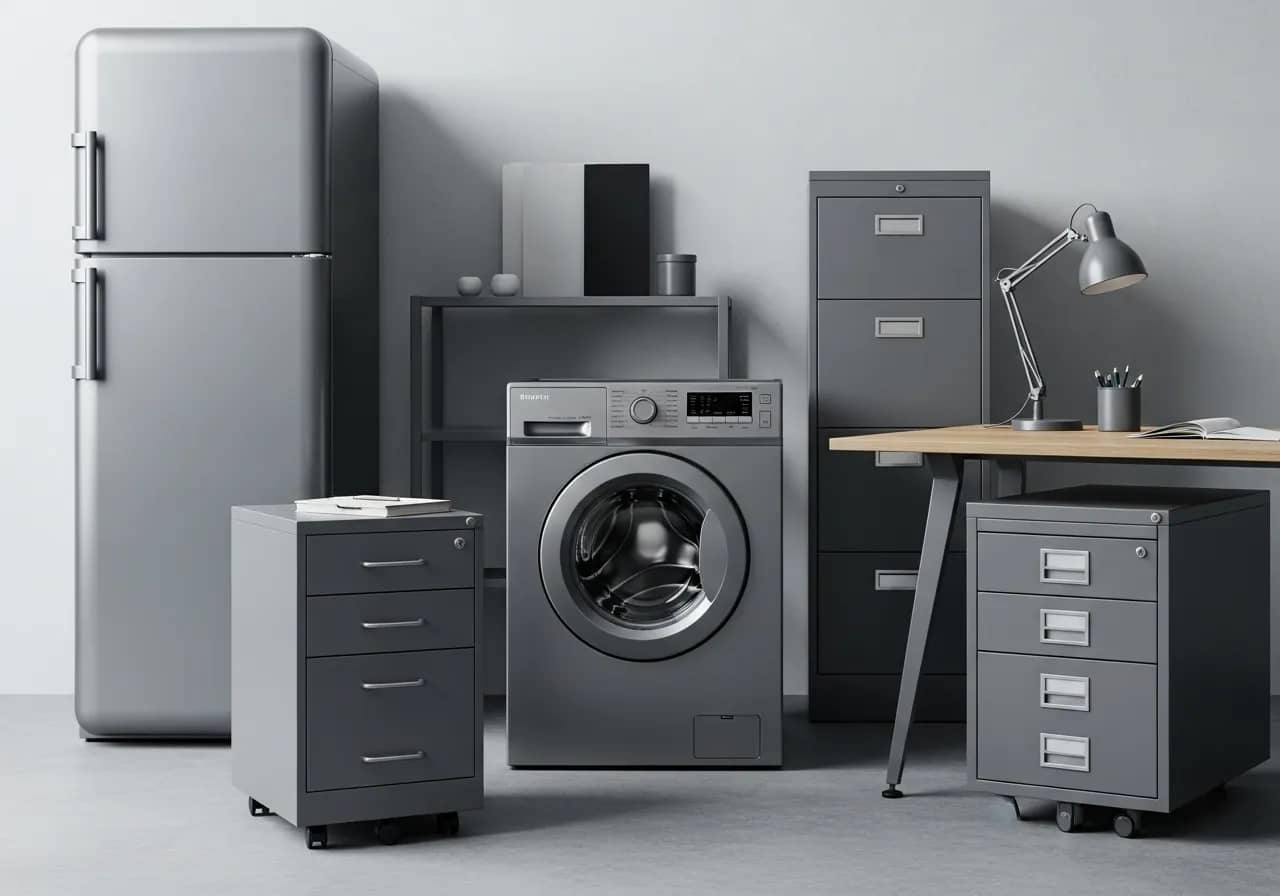
Hybrid epoxy-polyester powder coating for indoor metal products that need a smooth finish, reliable adhesion, and a practical balance of appearance and mechanical performance. Color, gloss, texture, cure window, and line settings are confirmed through samples and production trials.
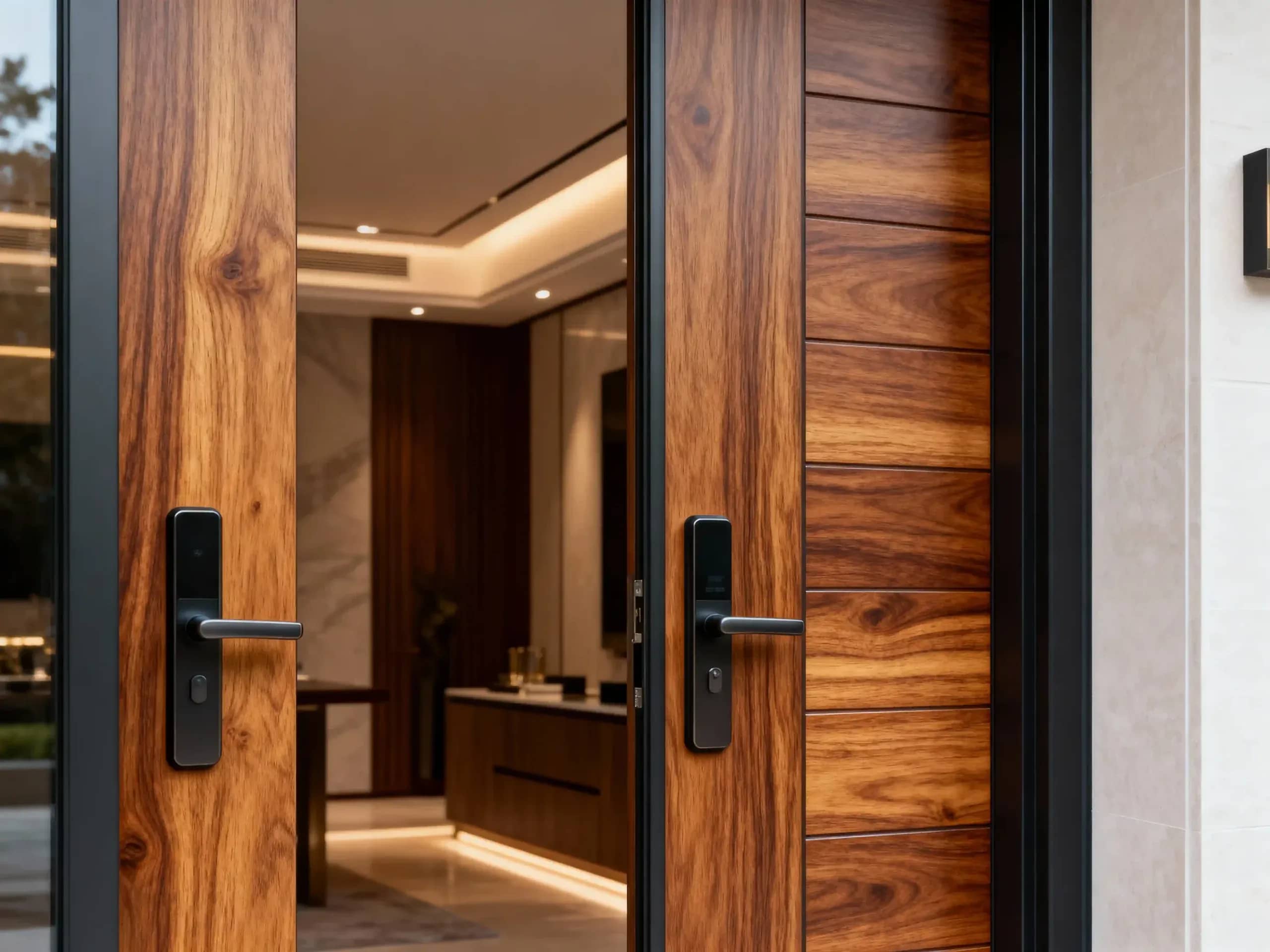
Wood-grain powder coating for metal combines a base powder with compatible sublimation film. Review the DM766-PA polyester basecoat, documented cure conditions, and sample-approval checks before specifying your wood-effect finish.
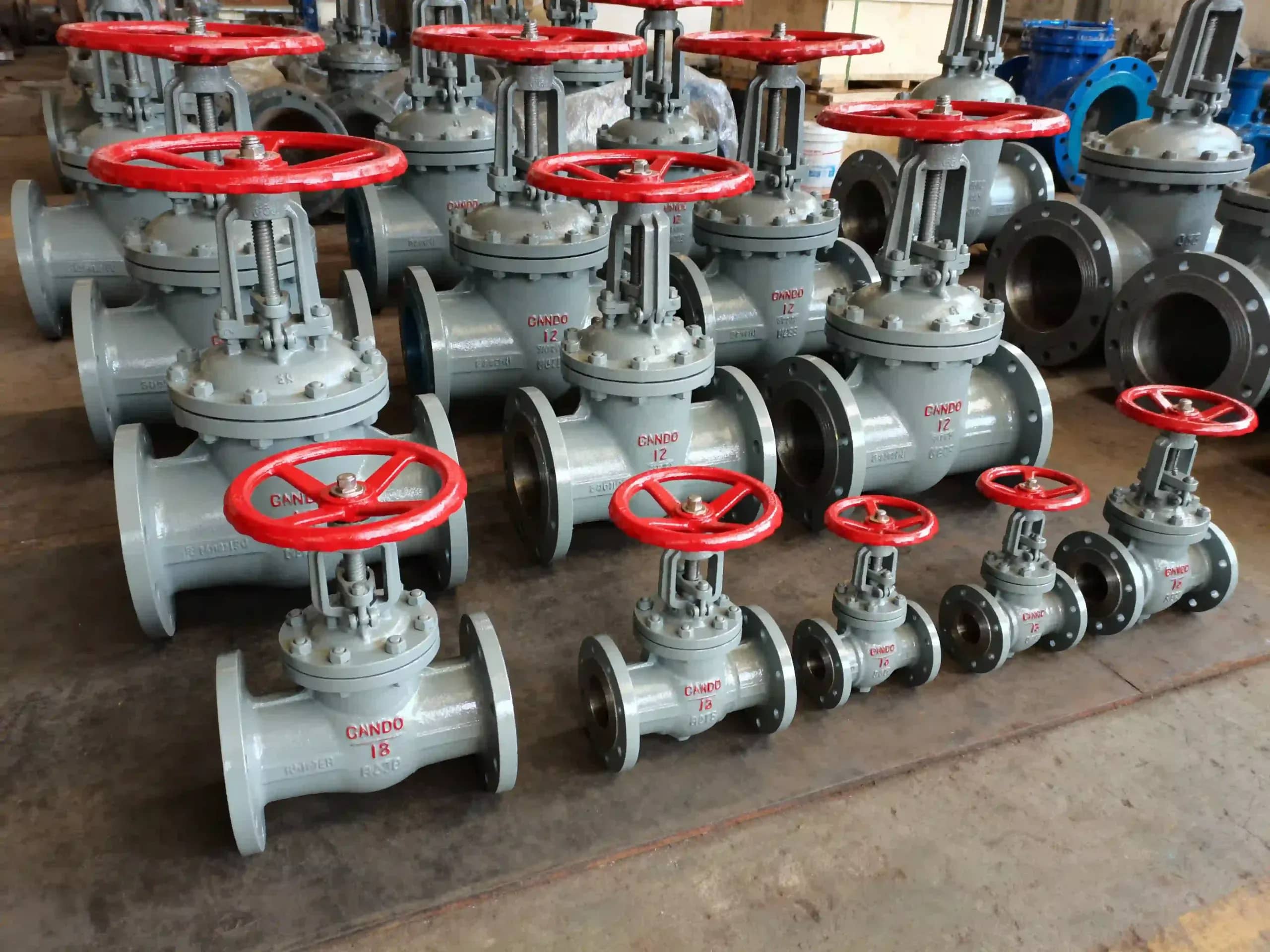
Powder coating systems for external valve and pipe surfaces, developed around the substrate, pretreatment, service environment, geometry, and required corrosion tests. Potable-water, internal-contact, or regulated applications require separate documented approval for the exact formulation and end use.