Hybrid epoxy-polyester powder coating for indoor metal products that need a smooth finish, reliable adhesion, and a practical balance of appearance and mechanical performance. Color, gloss, texture, cure window, and line settings are confirmed through samples and production trials.
Hybrid epoxy-polyester powder coating for indoor metal products that need a smooth finish, reliable adhesion, and a practical balance of appearance and mechanical performance. Color, gloss, texture, cure window, and line settings are confirmed through samples and production trials.
Sample format, cost, shipping and timing are confirmed after reviewing your B2B project.
Use these manufacturer TDS documents as a starting point for chemistry, finish, cure and test review. Confirm the exact formulation, revision and project acceptance criteria before approval or bulk ordering.
Specialty & Process TDS · 3 pages
Interior & Hybrid TDS · 4 pages
Interior & Hybrid TDS · 3 pages
Interior & Hybrid TDS · 4 pages
Interior & Hybrid TDS · 3 pages
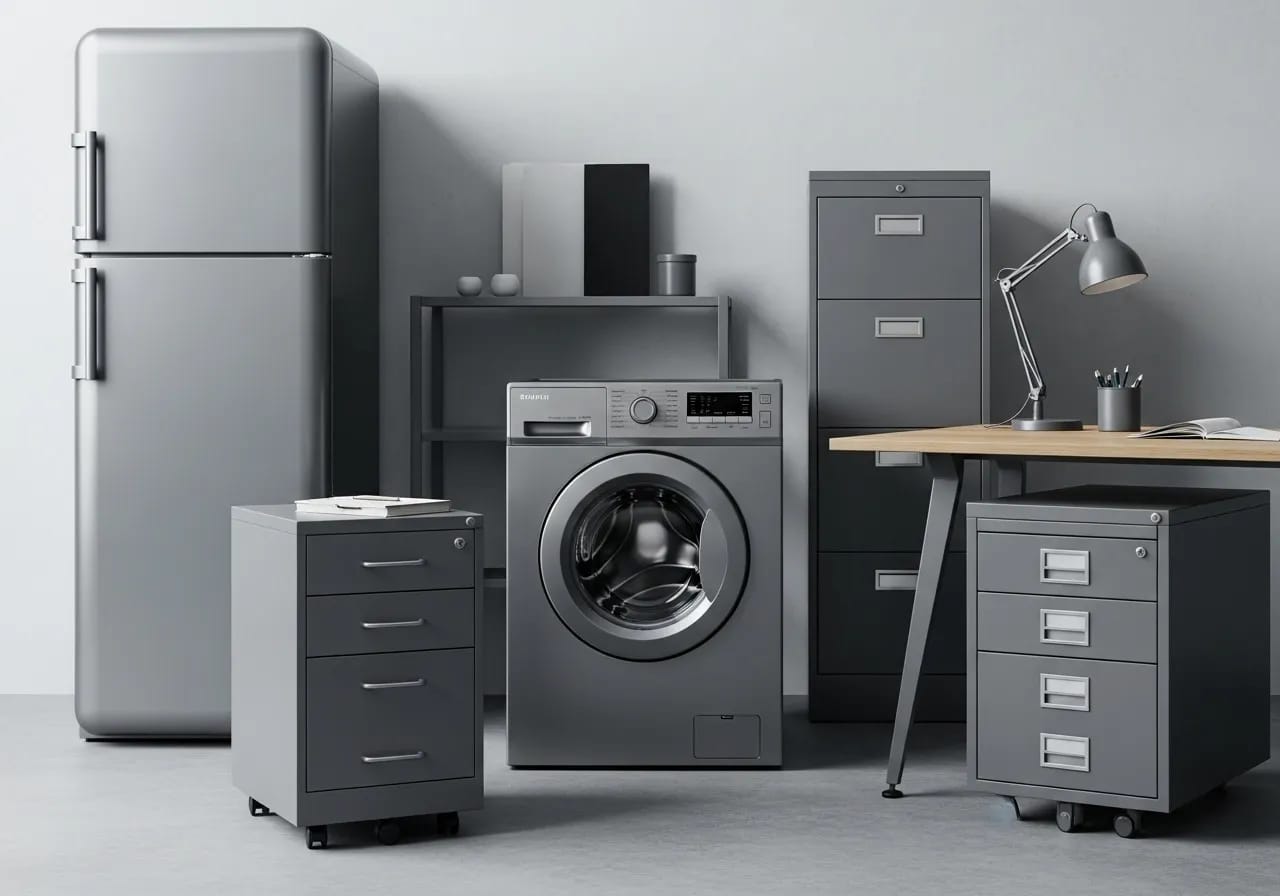

DAMEI indoor epoxy-polyester powder coating is intended for metal parts used in controlled interior environments. The hybrid resin system is selected when buyers need a practical balance of appearance, adhesion, impact performance, and production economy. It is commonly evaluated for appliance components, office furniture, shelving, electrical enclosures, tools, hardware, and other indoor fabricated metal products.
This product family is not presented as a universal outdoor coating. Epoxy-containing hybrids can lose gloss or color under prolonged ultraviolet exposure, so exterior projects should be evaluated with an outdoor polyester powder coating instead.
Final performance depends on the complete coating system, including substrate condition, pretreatment, film thickness, oven profile, part geometry, and service environment. Values from a sample or technical data sheet should not be transferred to a different formulation without confirmation.
Start with clean, dry, properly pretreated metal. Remove oil, salts, rust, scale, and pretreatment residue before coating. Use the formulation-specific technical data sheet for gun settings and cure conditions, then verify the actual part temperature rather than relying only on oven air temperature. Measure film thickness on representative areas and check adhesion and appearance after full cure.
Complex corners and recessed areas may need lower voltage, adjusted powder flow, or a different gun angle. Reclaimed powder can affect color and surface appearance, so the allowable reclaim ratio should be confirmed during the production trial.
Ask which technical data sheet, safety data sheet, sample test report, color record, or batch document is available for the exact formulation you are considering. Company management-system certificates are published on the About DAMEI page; they do not automatically certify every powder formulation or finished component.
For a quotation or sample, send the substrate, annual usage, color, finish, application line, cure limits, and required test methods through the technical sales contact form.
It is primarily intended for indoor use. If the coated part receives sustained sunlight or exterior weathering, evaluate a polyester system and validate the required durability.
Yes. A physical panel is normally more useful than a screen image because color, gloss, texture, substrate, and lighting all affect the result.
The schedule depends on the selected formulation and the metal temperature reached by the part. Use the approved technical data sheet and confirm the profile on your line.
No. Steel, galvanized steel, aluminum, and other substrates can require different pretreatment and validation. Share the actual substrate before sample development.
Provide a coated reference, untreated parts where practical, your line parameters, target film thickness, and the tests that define acceptance.
Discover more powder coating solutions.
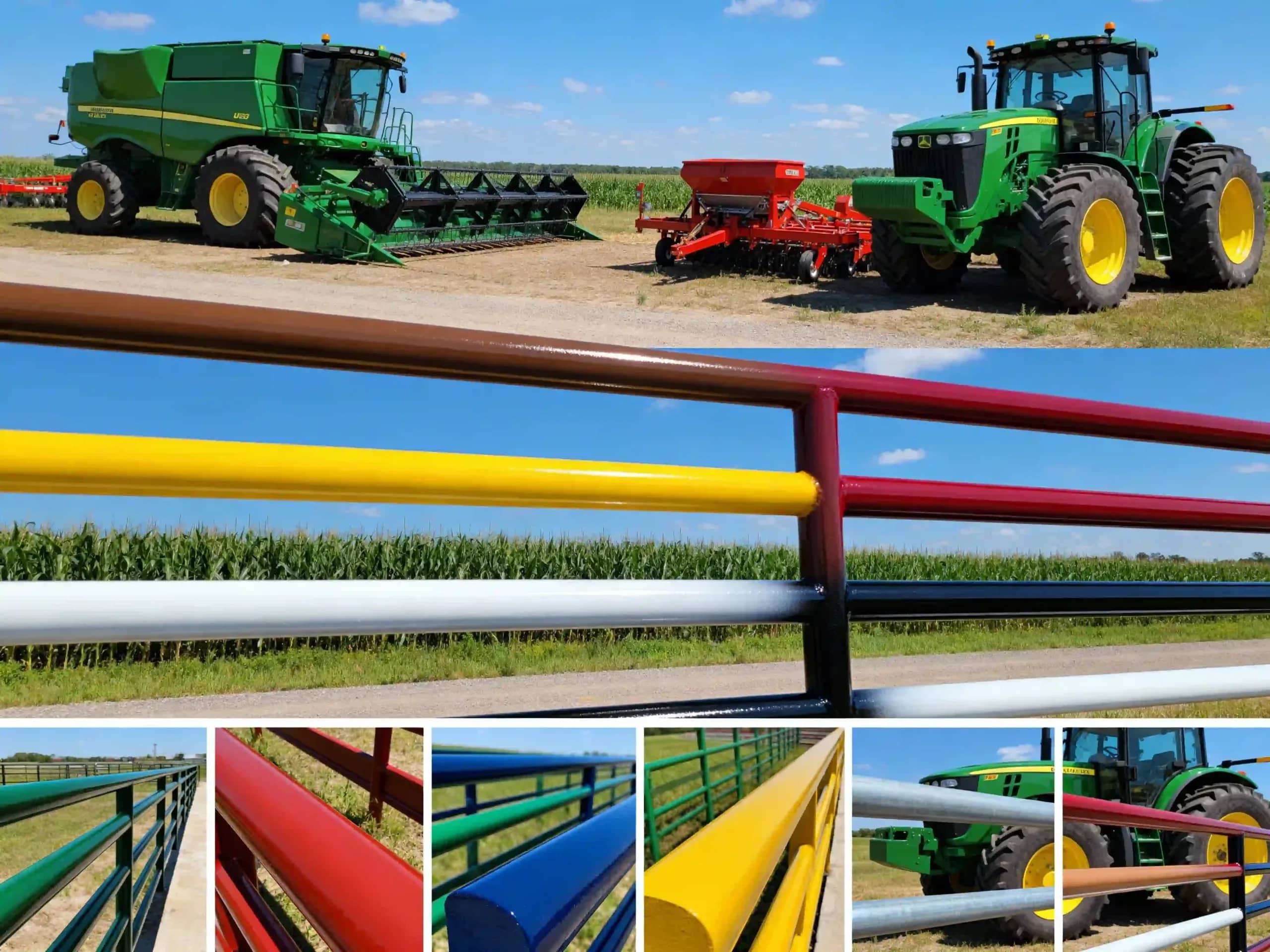
Pure polyester powder coating developed for exterior metal products where weathering, color retention, and corrosion-system durability matter. The exact durability grade, finish, pretreatment, film build, and cure profile are selected and validated for the project.
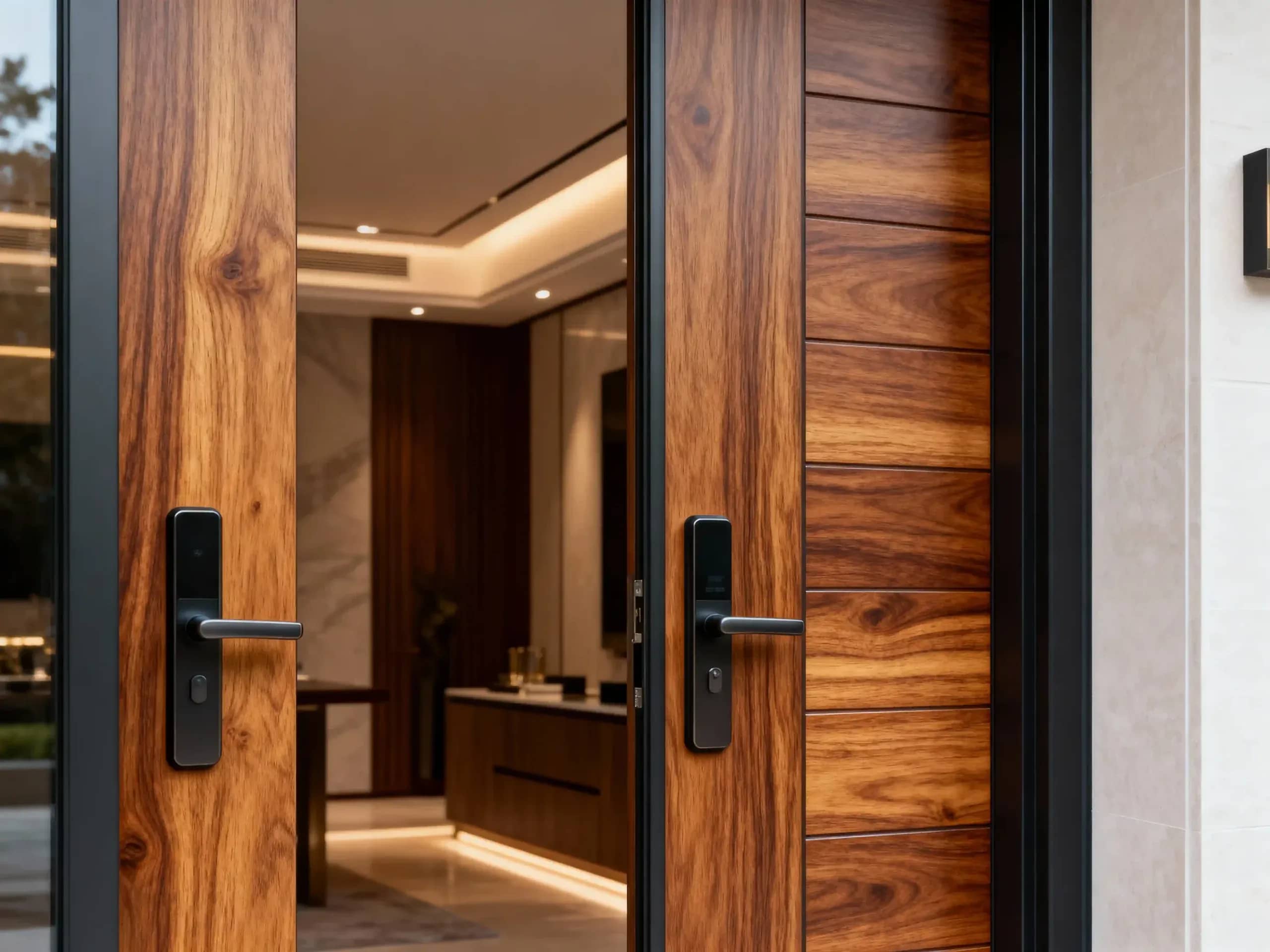
Wood-grain powder coating for metal combines a base powder with compatible sublimation film. Review the DM766-PA polyester basecoat, documented cure conditions, and sample-approval checks before specifying your wood-effect finish.
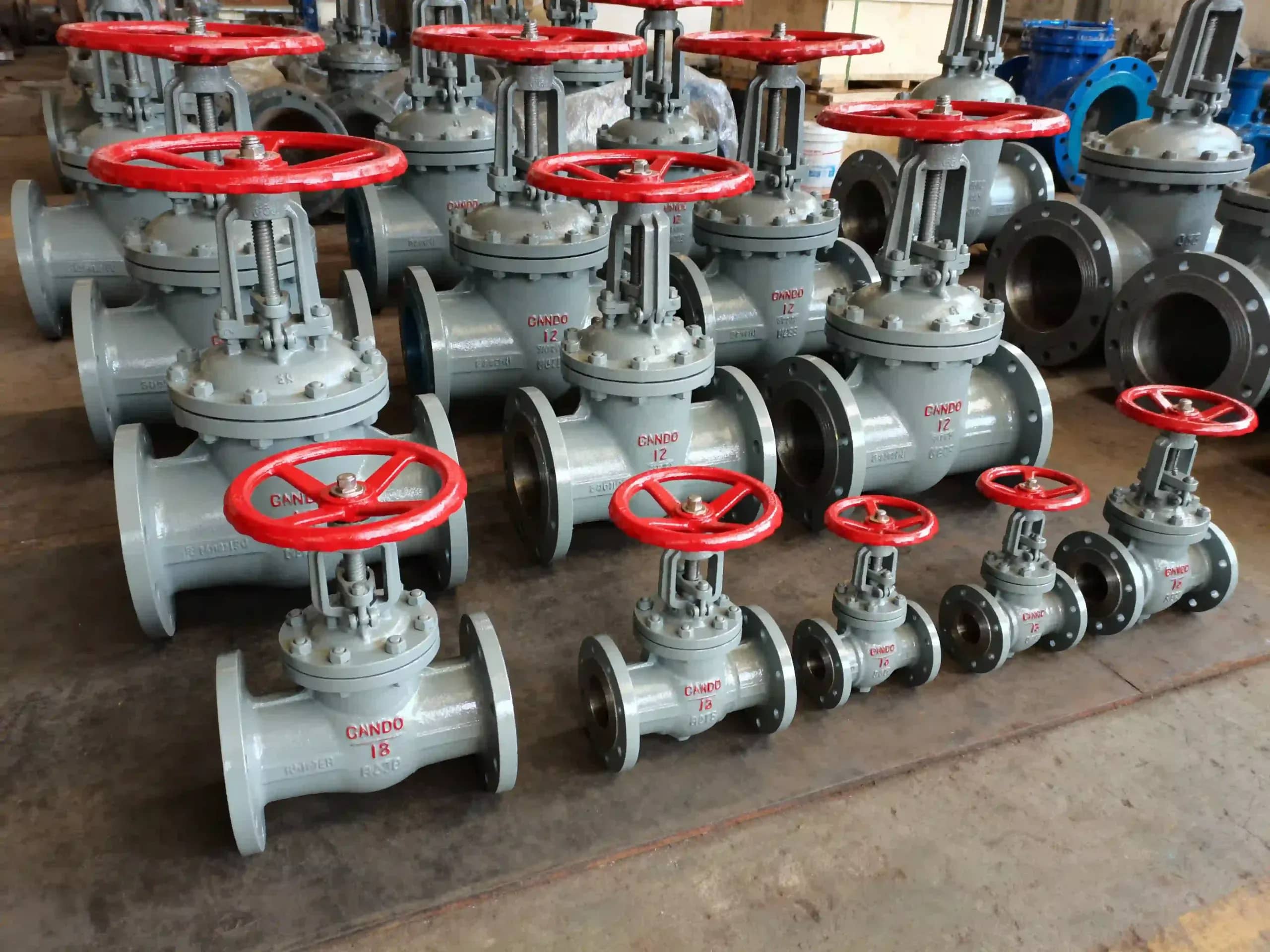
Powder coating systems for external valve and pipe surfaces, developed around the substrate, pretreatment, service environment, geometry, and required corrosion tests. Potable-water, internal-contact, or regulated applications require separate documented approval for the exact formulation and end use.