Wood-grain powder coating for metal combines a base powder with compatible sublimation film. Review the DM766-PA polyester basecoat, documented cure conditions, and sample-approval checks before specifying your wood-effect finish.
Wood-grain powder coating for metal combines a base powder with compatible sublimation film. Review the DM766-PA polyester basecoat, documented cure conditions, and sample-approval checks before specifying your wood-effect finish.
Sample format, cost, shipping and timing are confirmed after reviewing your B2B project.
Use these manufacturer TDS documents as a starting point for chemistry, finish, cure and test review. Confirm the exact formulation, revision and project acceptance criteria before approval or bulk ordering.
Browse the complete technical resource library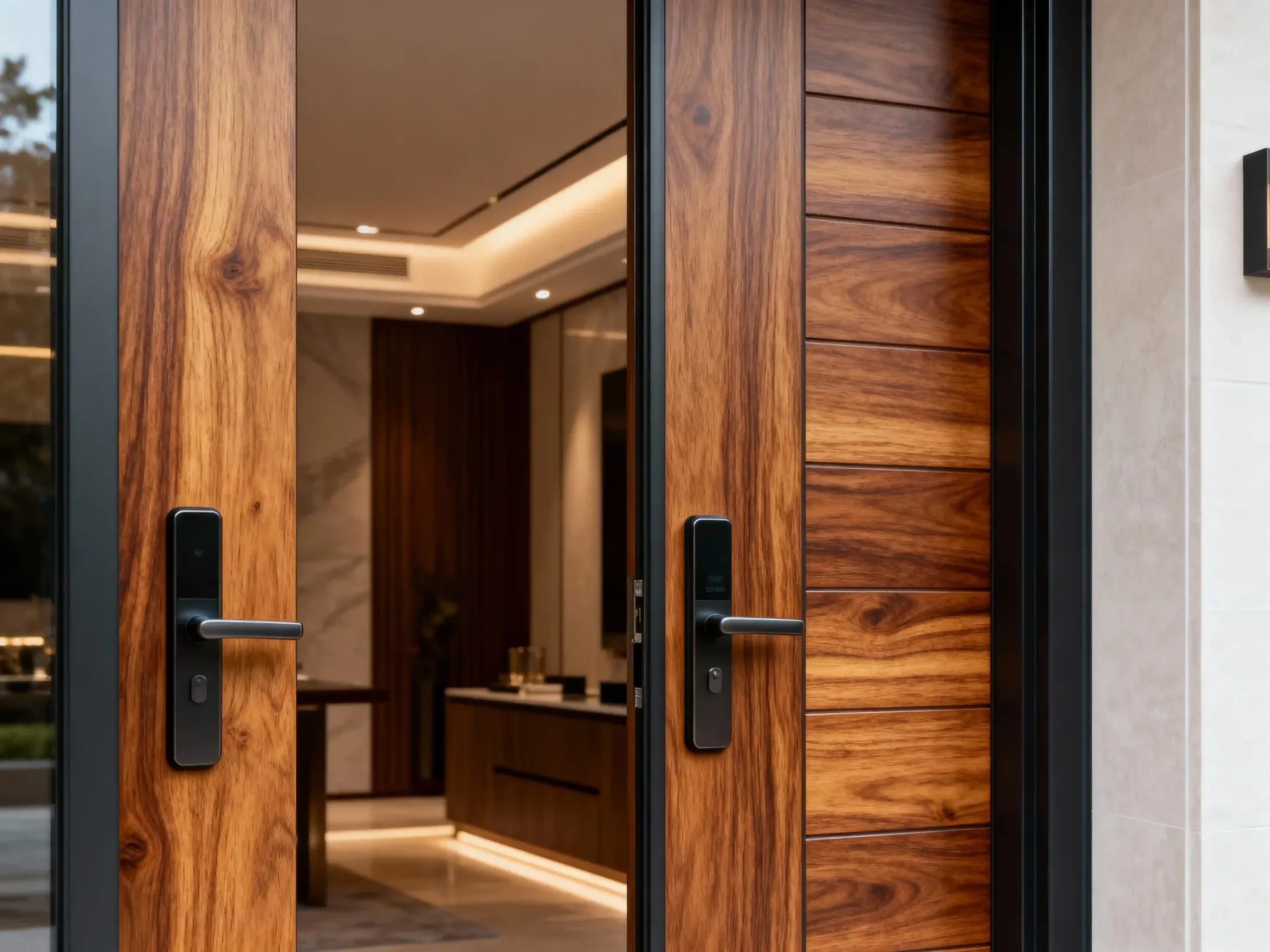

A wood-grain, wood-effect, or faux-wood finish on metal is made by combining a suitable powder basecoat with a compatible sublimation-transfer film or paper. The powder provides the base color and coating film; the transfer step adds the decorative grain. Specify the powder, transfer material, substrate, and processing conditions together rather than approving the powder color alone.
DAMEI's documented option below is DM766-PA, an outdoor pure-polyester base powder for wood-grain transfer. Its Beeswax Yellow base color and high-gloss specification are specific to this grade, not a specification for every wood pattern or finish. Check a transferred sample on your intended metal part before selecting it.
Technical source: manufacturer TDS DM766-PA, issued June 22, 2026, Rev.20260622. Request the DM766-PA technical data sheet and confirm the current revision for your order. The full PDF remains available through the technical-library request form.
The following values are from the named TDS. They describe the base powder and its application, not the final shade, gloss, weathering, or transfer settings of every completed wood-effect system.
| Item | DM766-PA TDS value |
|---|---|
| Chemistry | Thermosetting outdoor pure polyester |
| Base color and gloss range | Beeswax Yellow; 80–85 GU |
| Compatible metal substrates | Pretreated steel, aluminum, and galvanized steel; validate the actual pretreatment and part |
| Application | Electrostatic powder spraying with corona or tribo equipment |
| Particle size and specific gravity | D50: 32–37 μm; specific gravity: 1.40–1.50 g/cm³ |
| Basecoat cure | 180°C for 15 minutes or 200°C for 10 minutes, at object metal temperature |
| Storage and shelf life | Below 35°C and below 60% relative humidity, away from heat and direct sunlight; 12 months from manufacture under the stated storage conditions |
The TDS reports typical film properties measured on oil-removed and phosphated 0.8 mm steel panels with a cured film thickness of 60–80 μm. That is the reported test condition, not a universal film-thickness specification for all components.
| Reported property | Test method | Typical result |
|---|---|---|
| Gloss at 60° | ISO 2813 | 82 GU |
| Pencil hardness | ASTM D3363 | 2H |
| Cross-hatch adhesion | ISO 2409 | Grade 0 |
| Mandrel bending | ISO 1519 | ≤ 1 mm |
These are manufacturer-reported typical values. The TDS is not an independent certificate, and these panel results do not establish performance for every aluminum profile, pretreatment, transfer film, or installed assembly. For outdoor work, request relevant test records and agree acceptance criteria for the complete transferred system and intended exposure. Do not translate accelerated laboratory tests into a fixed number of service years.
For aluminum doors, window profiles, panels, or other heat-stable metal components, use the actual substrate and geometry wherever practical. A flat sample can help compare color, but it does not resolve grain wrapping, corner appearance, or seam placement on a shaped part.
The gallery illustrates a wood-effect appearance; it is not a verified DM766-PA test panel or a documented customer installation. Use the approved physical sample, rather than the screen image, as the purchase reference.
No wood or MDF application is established by this DM766-PA TDS. The documented substrates are pretreated metals. If your project uses wood or another heat-sensitive material, do not assume this metal-coating system or its cure schedule is suitable.
This page describes a cured powder basecoat followed by compatible sublimation-transfer film or paper. It does not specify a powder-on-powder decorative process. Name the process when requesting a match so that powder grades and processing instructions are not treated as interchangeable.
No fixed outdoor service life is stated here. DM766-PA is described as an outdoor pure-polyester grade in its TDS, but the finished result also depends on the pretreatment, transfer material, processing, exposure, and project requirements. Confirm the required evidence and written specification for your application.
Send the metal and pretreatment, part drawing or dimensions, indoor or outdoor location, grain reference and gloss target, powder and transfer equipment, estimated purchase quantity, destination, and required delivery date. Ask for the current TDS and SDS, a compatible transfer-material recommendation, and a representative-part sample plan. Quantity, pricing, and timing must be confirmed for the request.
Request a wood-grain system sample or send your specification for a quotation.
Discover more powder coating solutions.
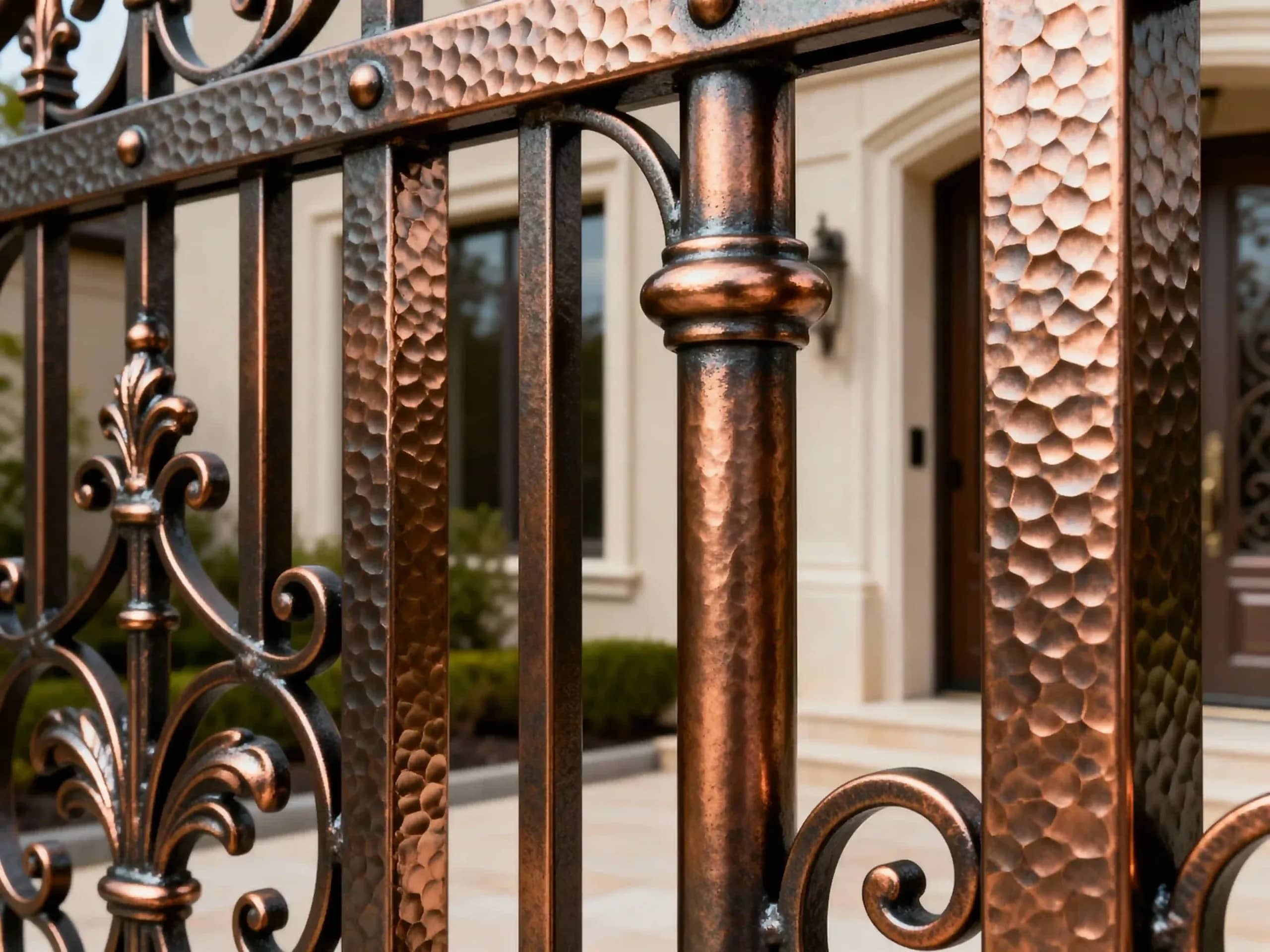
Decorative metallic and special-effect powder coatings for metal products that require controlled color, sparkle, texture, or visual depth. Samples and line trials establish the approved appearance because equipment, reclaim, film build, and viewing angle can change the result.
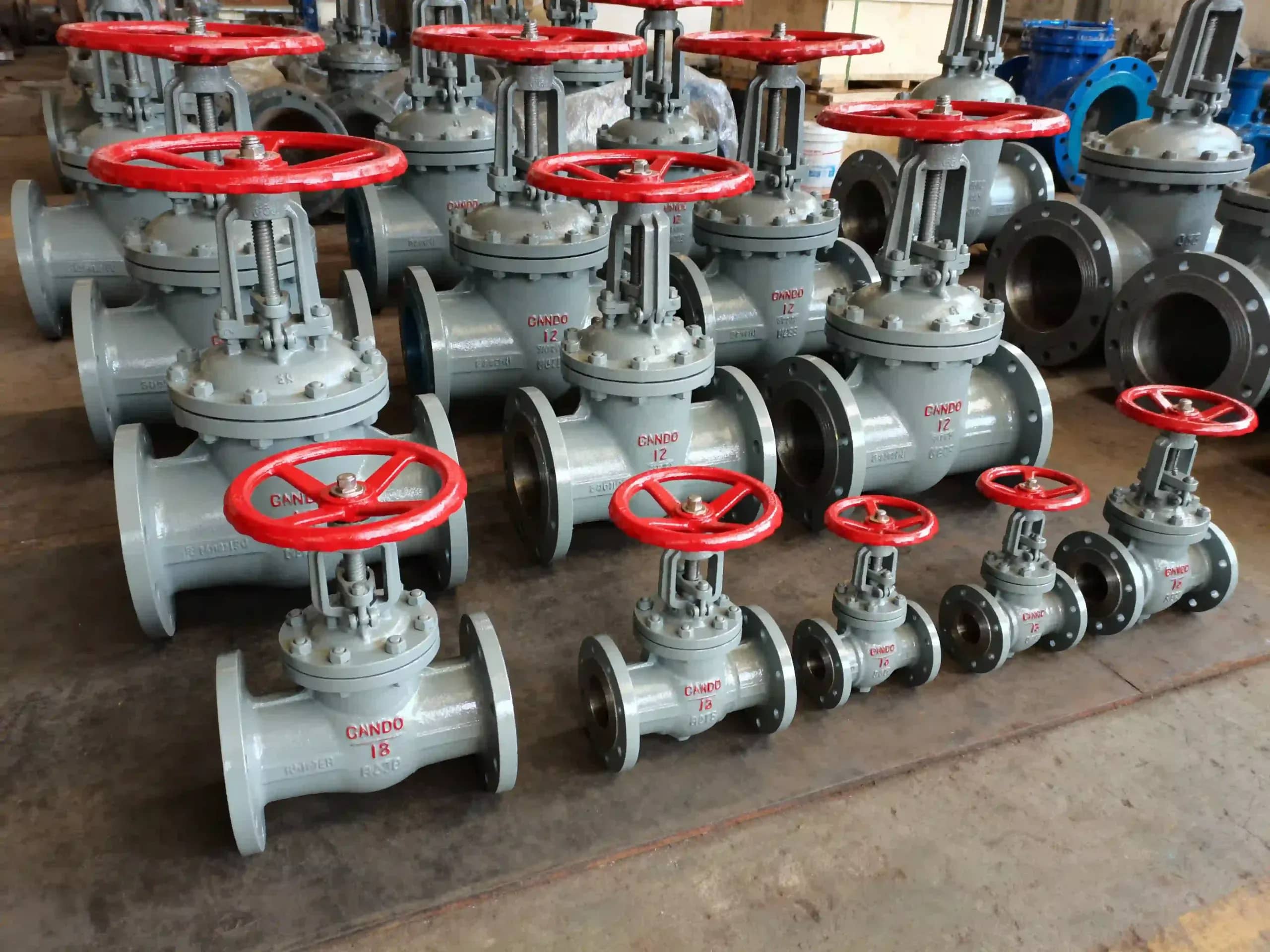
Powder coating systems for external valve and pipe surfaces, developed around the substrate, pretreatment, service environment, geometry, and required corrosion tests. Potable-water, internal-contact, or regulated applications require separate documented approval for the exact formulation and end use.
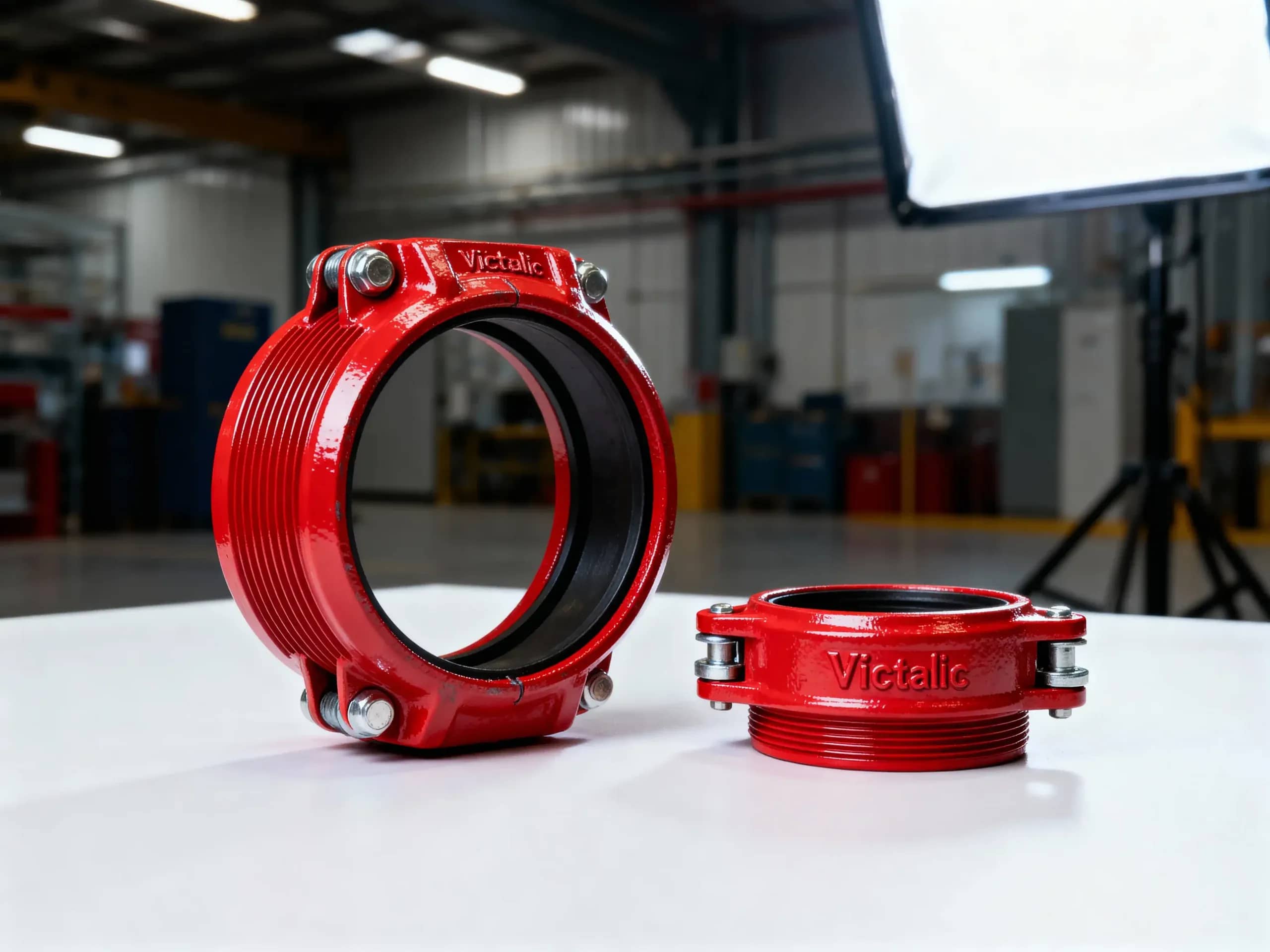
Powder coating developed for grooved couplings and fittings, where gasket grooves, bolt areas, edges, and casting porosity require controlled application and cure. Samples are validated on representative parts against the buyer’s coating, corrosion, and installation requirements.