Indoor Epoxy-Polyester Powder Coating | Cost-Effective Interior Solution
Hybrid epoxy-polyester powder coating for indoor metal products that need a smooth finish, reliable adhesion, and a practical balance of appearance and mechanical performance. Color, gloss, texture, cure window, and line settings are confirmed through samples and production trials.
Indoor Epoxy-Polyester Powder Coating | Cost-Effective Interior Solution
Standard CoatingsHybrid epoxy-polyester powder coating for indoor metal products that need a smooth finish, reliable adhesion, and a practical balance of appearance and mechanical performance. Color, gloss, texture, cure window, and line settings are confirmed through samples and production trials.
Sample format, cost, shipping and timing are confirmed after reviewing your B2B project.
Indoor epoxy-polyester powder coating for production metalwork
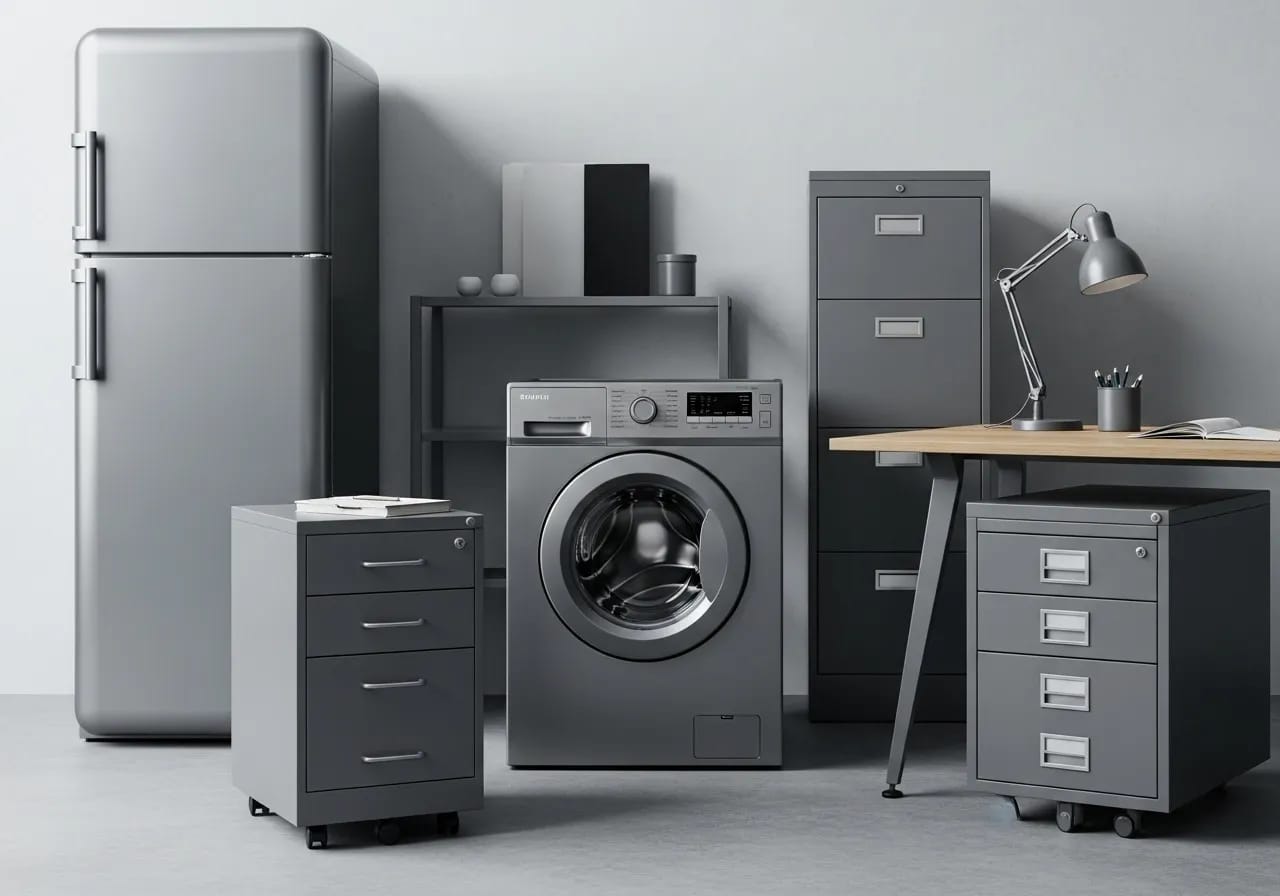
DAMEI indoor epoxy-polyester powder coating is intended for metal parts used in controlled interior environments. The hybrid resin system is selected when buyers need a practical balance of appearance, adhesion, impact performance, and production economy. It is commonly evaluated for appliance components, office furniture, shelving, electrical enclosures, tools, hardware, and other indoor fabricated metal products.
This product family is not presented as a universal outdoor coating. Epoxy-containing hybrids can lose gloss or color under prolonged ultraviolet exposure, so exterior projects should be evaluated with an outdoor polyester powder coating instead.
What can be matched to your specification
- Color: RAL references, customer panels, or other agreed physical standards.
- Appearance: smooth, fine texture, selected gloss ranges, and application-specific visual targets.
- Application: electrostatic behavior, flow, edge coverage, and cure window adjusted for the part and coating line.
- Performance: adhesion, flexibility, impact resistance, hardness, and chemical resistance tested against an agreed method.
Final performance depends on the complete coating system, including substrate condition, pretreatment, film thickness, oven profile, part geometry, and service environment. Values from a sample or technical data sheet should not be transferred to a different formulation without confirmation.
Recommended qualification process
- Define the part: tell us the substrate, dimensions, geometry, current pretreatment, and coating-line type.
- Define the finish: provide a color code or physical sample, gloss or texture target, and acceptable color tolerance.
- Define the tests: identify the adhesion, impact, flexibility, hardness, chemical, or appearance checks required by your buyer.
- Approve a sample: evaluate a laboratory panel and, where possible, a representative production part.
- Confirm the line: record the approved film thickness and actual metal-temperature cure profile during the trial.
Application guidance
Start with clean, dry, properly pretreated metal. Remove oil, salts, rust, scale, and pretreatment residue before coating. Use the formulation-specific technical data sheet for gun settings and cure conditions, then verify the actual part temperature rather than relying only on oven air temperature. Measure film thickness on representative areas and check adhesion and appearance after full cure.
Complex corners and recessed areas may need lower voltage, adjusted powder flow, or a different gun angle. Reclaimed powder can affect color and surface appearance, so the allowable reclaim ratio should be confirmed during the production trial.
Buyer documentation and claim control
Ask which technical data sheet, safety data sheet, sample test report, color record, or batch document is available for the exact formulation you are considering. Company management-system certificates are published on the About DAMEI page; they do not automatically certify every powder formulation or finished component.
For a quotation or sample, send the substrate, annual usage, color, finish, application line, cure limits, and required test methods through the technical sales contact form.
Frequently asked questions
Is hybrid powder suitable outdoors?
It is primarily intended for indoor use. If the coated part receives sustained sunlight or exterior weathering, evaluate a polyester system and validate the required durability.
Can you match an existing panel?
Yes. A physical panel is normally more useful than a screen image because color, gloss, texture, substrate, and lighting all affect the result.
What cure schedule should we use?
The schedule depends on the selected formulation and the metal temperature reached by the part. Use the approved technical data sheet and confirm the profile on your line.
Can one powder be used on every metal substrate?
No. Steel, galvanized steel, aluminum, and other substrates can require different pretreatment and validation. Share the actual substrate before sample development.
How do we request a production trial?
Provide a coated reference, untreated parts where practical, your line parameters, target film thickness, and the tests that define acceptance.
| Feature | Specification |
|---|---|
| Product family | Epoxy-polyester hybrid powder coating |
| Intended exposure | Indoor metal products in controlled environments |
| Substrate | Pretreated metal; confirm the exact substrate and pretreatment during qualification |
| Application method | Electrostatic spray; line settings established on representative parts |
| Color and finish | A RAL code identifies a color target. For RAL 9005 black, request separate matte and high-gloss panels if you are comparing finishes. Record the agreed gloss and texture on the approved physical panel. |
| Film thickness | Formulation- and project-specific; use the approved technical data sheet |
| Cure schedule | Specified by actual metal temperature and hold time for the selected formulation |
| Approval basis | Approved panel, representative part, line trial, and named buyer tests |
| Documentation | Confirm available TDS, SDS, sample report, and batch documents for the exact formulation |
| Historical white-panel QC example (PC-EW-9016) | One unsigned record gives D50 of 37 µm (range 32–42 µm) and panel color difference ΔE of 0.5 (limit 0.8). The coating was tested on pretreated steel after 15 min at 180°C. Agree limits and sign a reference panel for the current order. |
Technical data for product qualification
Use these manufacturer TDS documents as a starting point for chemistry, finish, cure and test review. Confirm the exact formulation, revision and project acceptance criteria before approval or bulk ordering.
CK2606-PA Interior Hybrid Gloss (1000 h Salt Spray / 50 kg·cm Impact) TDS
Interior & Hybrid TDS · 4 pages
CK2606-PA Interior Hybrid Gloss (500 h Salt Spray / 100 kg·cm Impact) TDS
Interior & Hybrid TDS · 3 pages
CKRAL9016-PA Interior Epoxy-Polyester Gloss TDS
Interior & Hybrid TDS · 4 pages
DM-102 130°C Low-Temperature Cure Powder Coating TDS
Specialty & Process TDS · 3 pages
RAL 9005-PA Automotive Chassis Hybrid Gloss TDS
Interior & Hybrid TDS · 3 pages