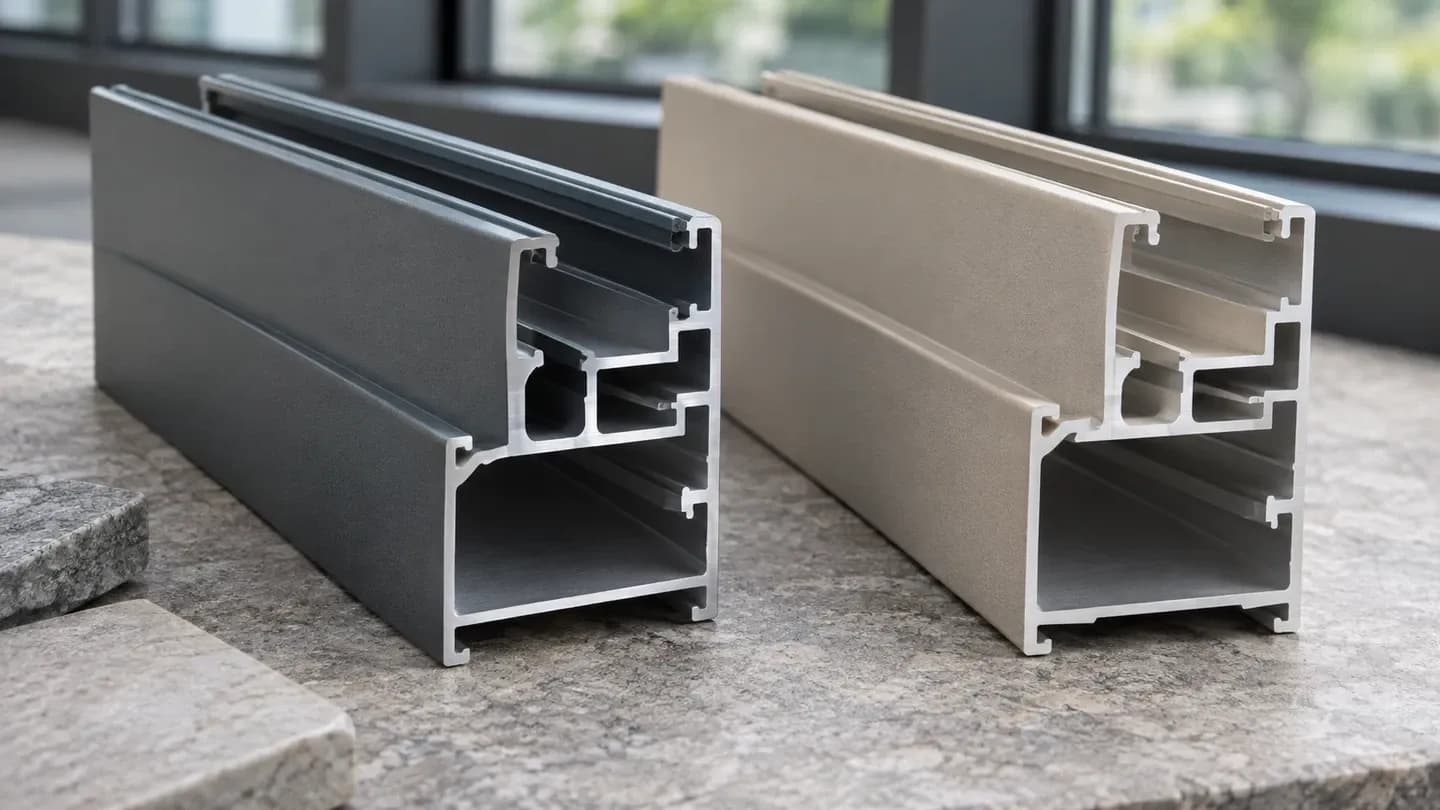

In its November 11, 2026 specialty powder coating overview, PPG describes mar-resistant powders for uses including appliances, shelving and furniture. For an indoor enclosure buyer, the useful first step is to name the damage that would cause a part to fail inspection. A handling rub, a sharp scratch and repeated wear can leave different marks and call for different tests.
Describe the contact before choosing a test
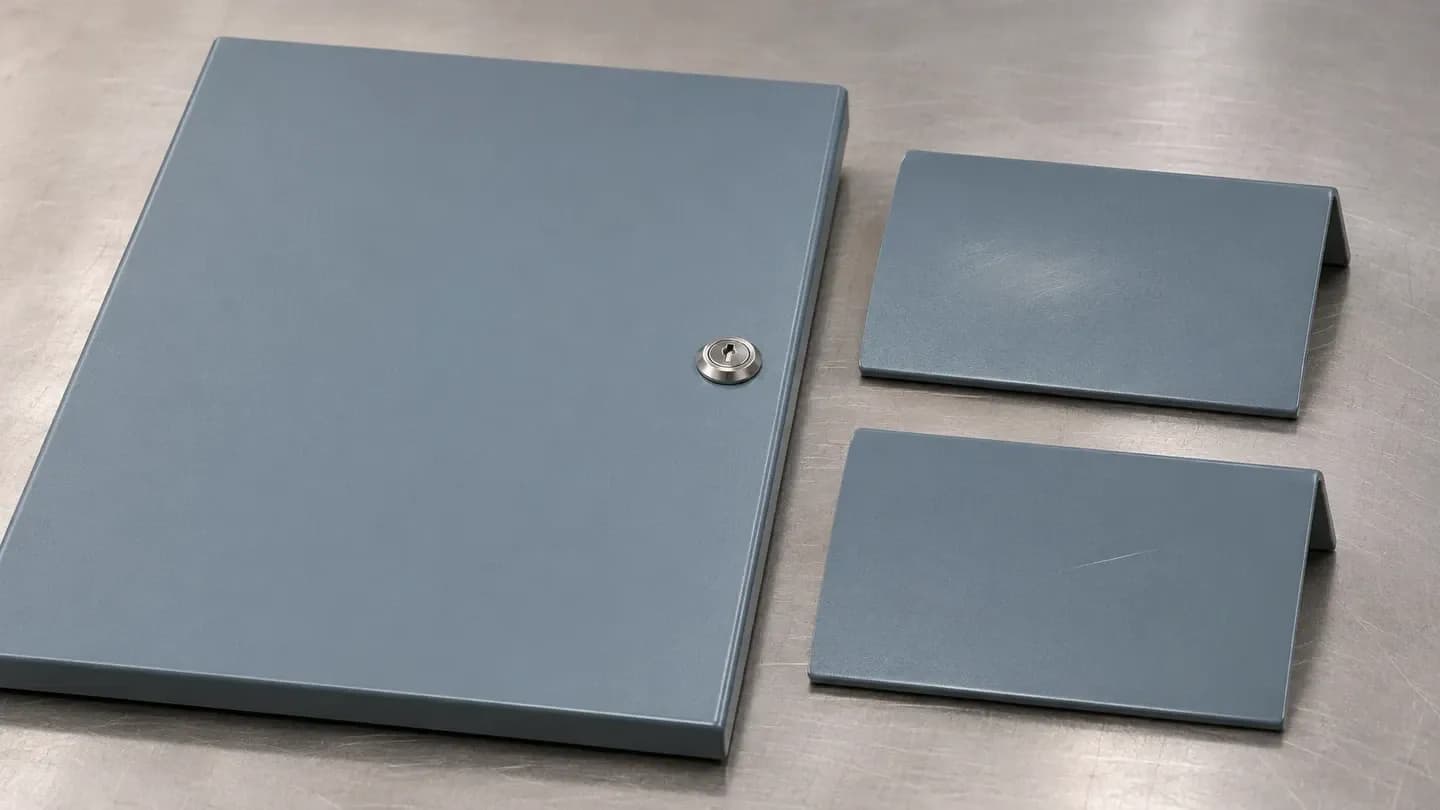
Scuffing can leave a light rub or a change in sheen without cutting through the film. Recreate the likely contact with packaging, a neighboring panel or a handling surface. Use agreed lighting to judge the mark, and specify whether inspection happens before or after an approved wipe.
Scratching usually involves a more concentrated contact, such as a tool or fastener touching a visible face. Define the contact and expected load with the coater. State what depth or visibility would make a mark unacceptable.
Abrasion builds up with repeated contact. If an enclosure is cleaned often, agree the cloth or pad, cleaning agent, number of cycles and force. Check both appearance and the condition of the coating at the end of the test.
Keep a sample and a short test record
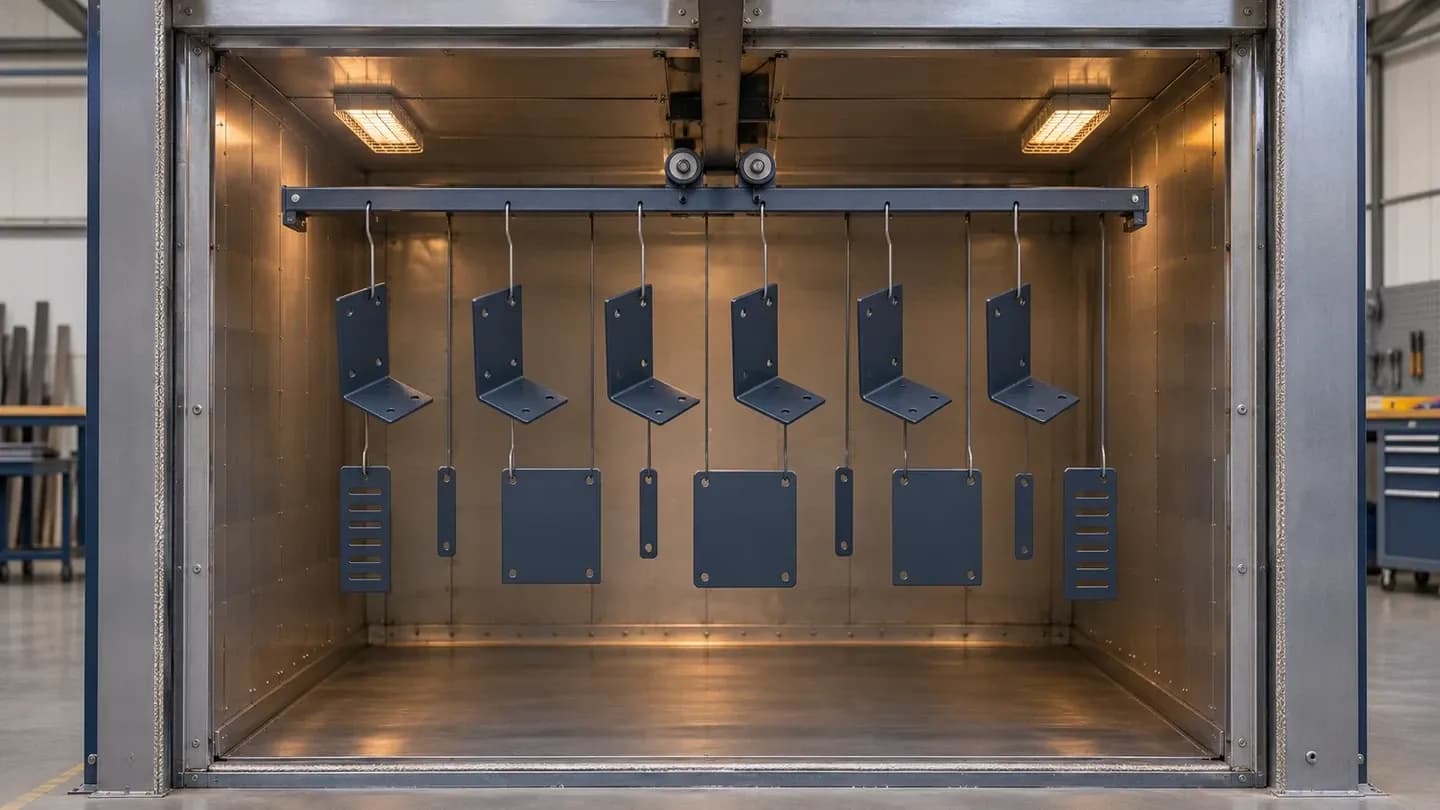
Compare candidates in the same color, gloss and texture, on the intended substrate and at the agreed film thickness. Record preparation, cure and the inspection method with each sample. Include a coated door or panel when its folds or assembly contact points differ from a flat coupon. Agree the pass criteria with the buyer before running the test.
Plan the trial with DAMEI
DAMEI's indoor epoxy-polyester powder coating is an option for interior metal enclosures, appliance parts and shelving. The appropriate grade and finish depend on your sample requirements. Send DAMEI your handling and cleaning details with the part drawing, target finish and the marks you want to prevent. These details help define a trial for your application.