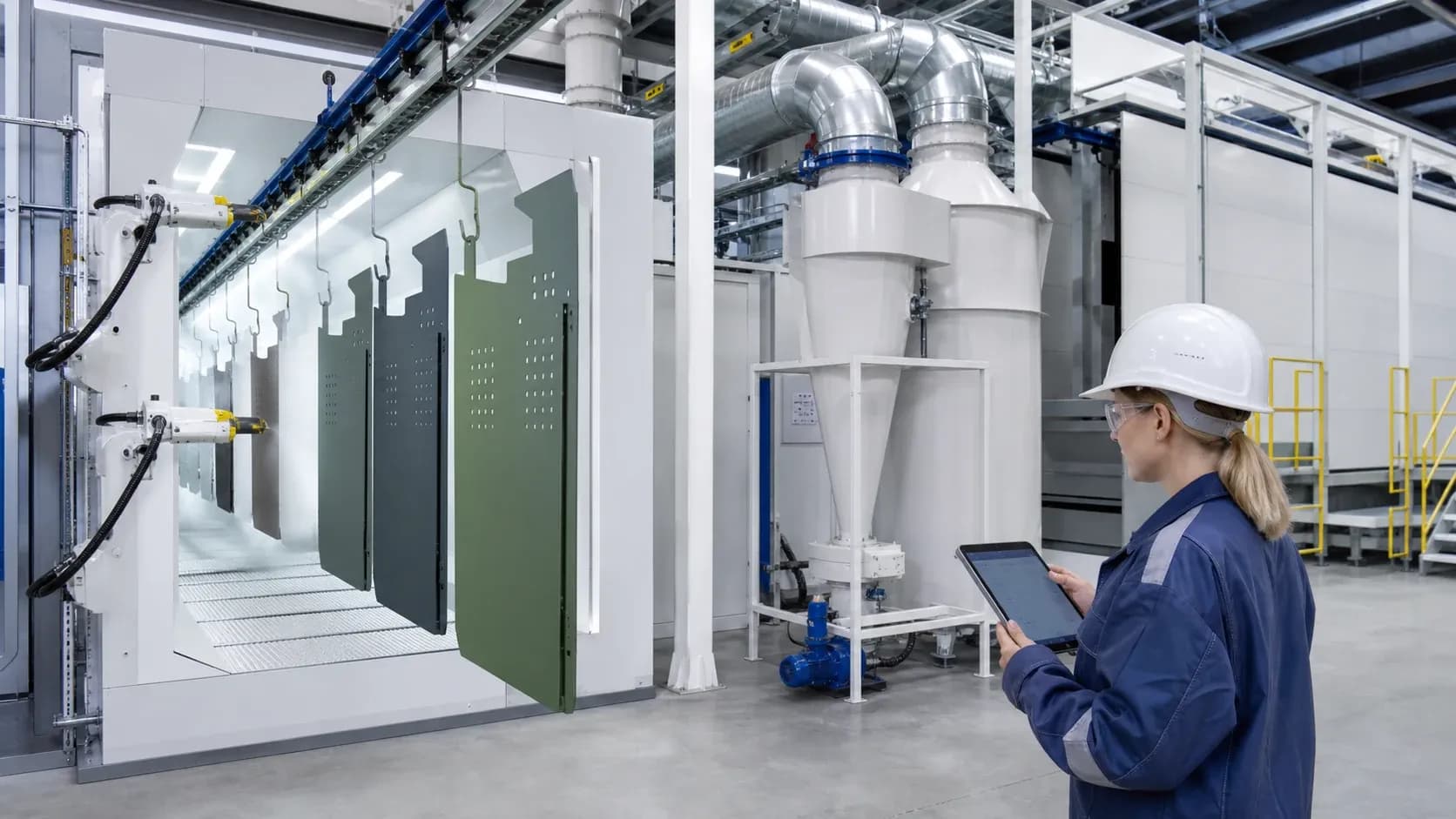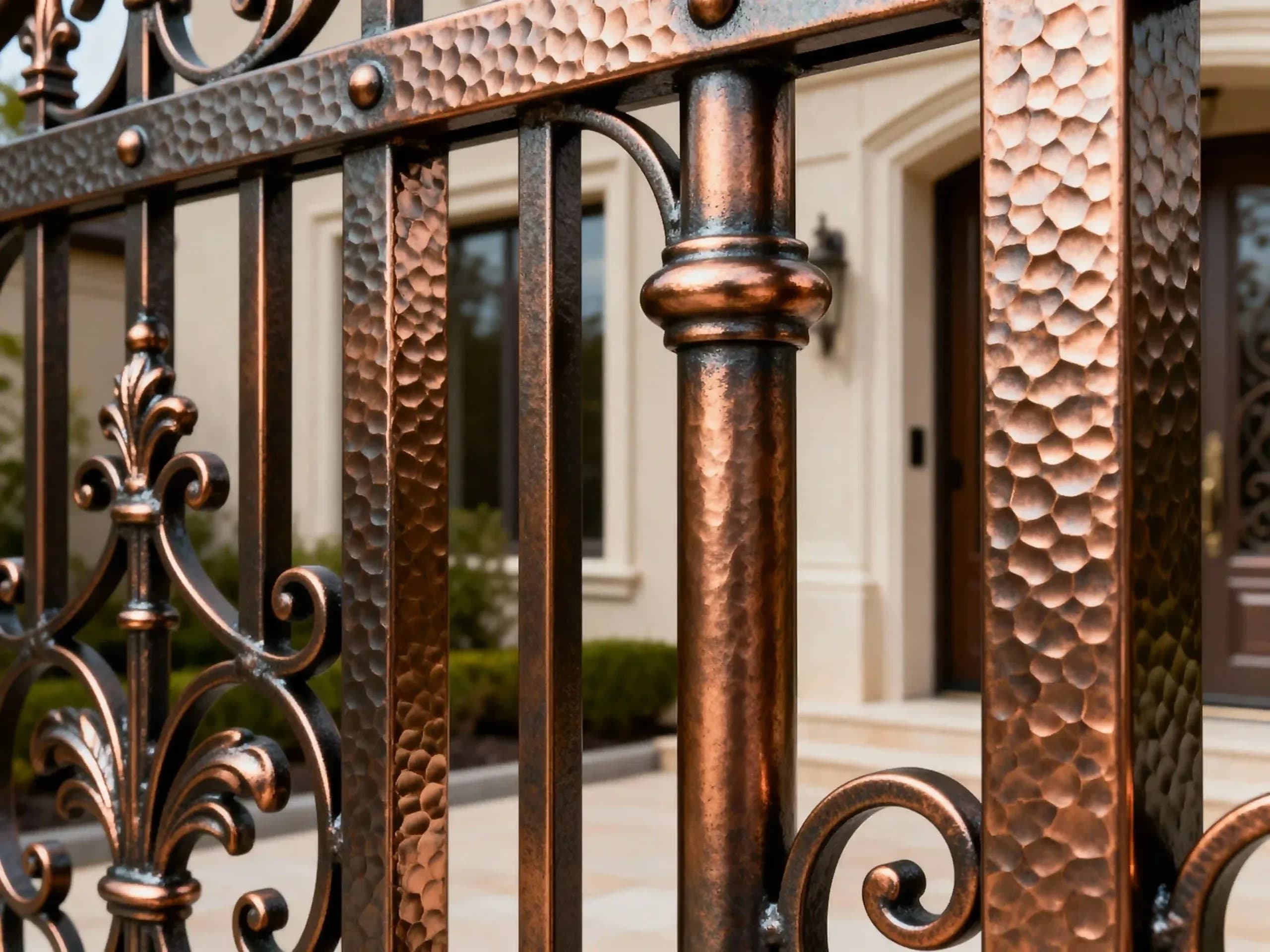

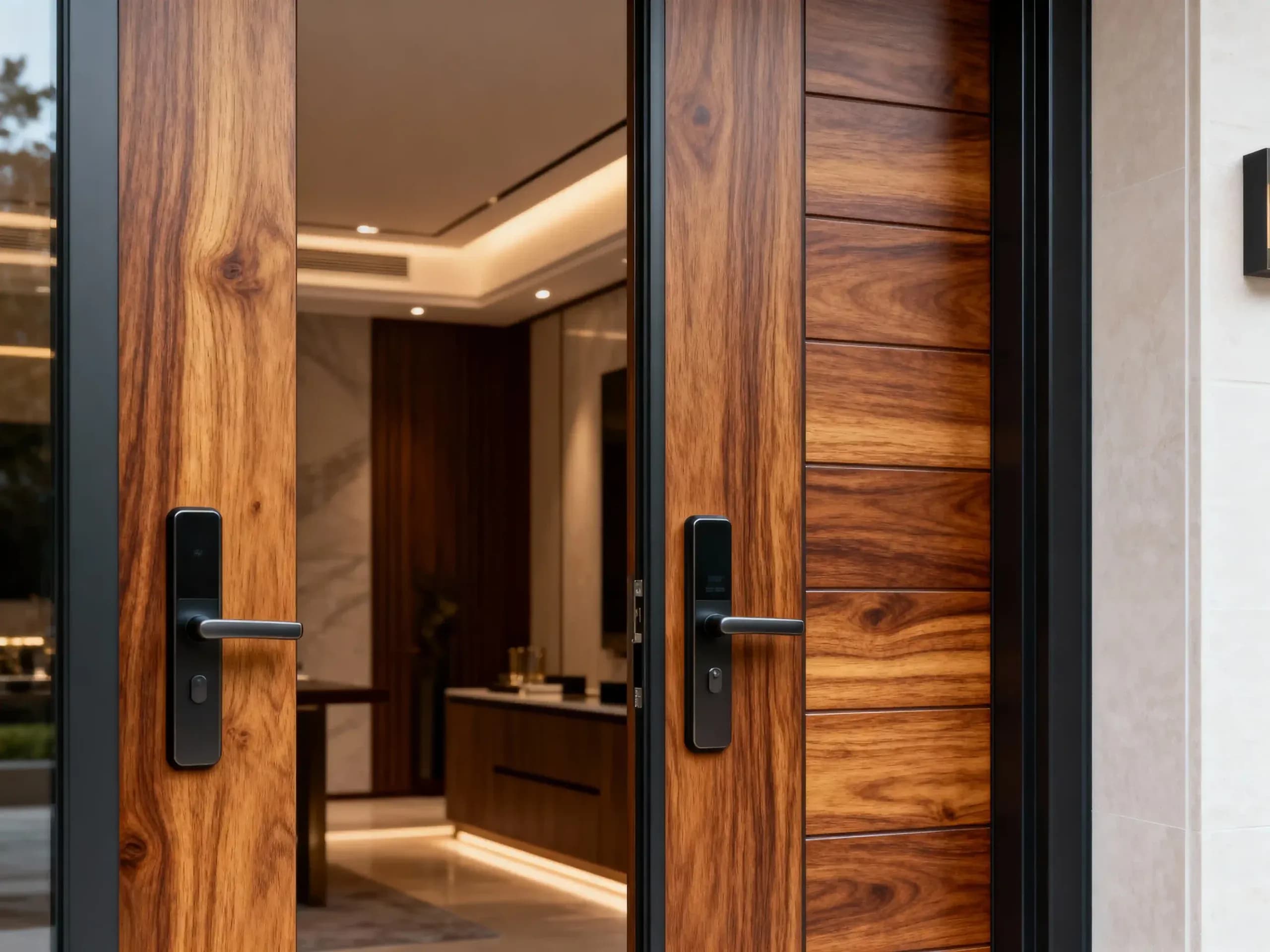
Natural colors and expressive surfaces are prominent in recent architectural coating announcements. Interpon’s Futura 2026–2029 collection pairs the nature-inspired High Serenity palette with the brighter, sparkling Bold Adventure palette. Separately, AkzoNobel has named the soft, silvery green Soulful Sage its Color of the Year 2027.
Our reading is that buyers should discuss color, surface texture and visual warmth together. These are AkzoNobel collections and color names. For a DAMEI project, translate the inspiration into an agreed physical reference and a review of the proposed coating system. Wood-grain finishes on metal offer one practical direction for that conversation.
Turn the design idea into a sample brief
Describe the intended result before requesting powder: a warm brown grain, a lighter timber appearance, a restrained gloss level, or another documented reference. Identify whether “texture” means visible grain, a tactile surface, or both. Supply a physical sample or a clear grain reference, and agree pattern scale, direction and acceptable variation.
Consider adjacent materials and where the part will be seen. A door profile, a broad panel and a furniture frame may need different grain placement even when they share a design theme. Use screen images to discuss the concept, then settle purchasing approval with physical samples.
Specify the base powder and transfer material together
DAMEI offers wood-grain powder coating in its product range. The system uses a powder basecoat followed by compatible sublimation-transfer film or paper. The basecoat contributes the underlying color and coating film; the transfer material adds the decorative grain. Ask for a proposed combination suited to your metal, pretreatment, geometry and exposure.
The documented DM766-PA option is an outdoor pure-polyester base powder. Its named base color is Beeswax Yellow, so confirm the appearance after the selected transfer process. That base-color name is not a specification for every finished wood pattern.
Keep powder curing and transfer settings separate
The DM766-PA technical data sheet gives basecoat cure conditions of 180°C for 15 minutes or 200°C for 10 minutes at object metal temperature. The stated dwell begins after the metal reaches the specified temperature. Request the actual part-temperature profile when qualifying the line.
The TDS does not provide settings for the later decorative transfer step. Confirm its time, temperature and contact conditions with the transfer-material supplier. Record both stages in the sample approval so the agreed finish can be traced to a defined process.
Approve the appearance on representative geometry
Review the completed sample under agreed lighting and from relevant viewing positions. Check the base tone, grain contrast, gloss and any intended tactile texture. On shaped parts, examine grain direction across faces, corners, seams and visible joining areas.
A flat panel helps shortlist appearances; a representative part resolves details that affect the installed result. Retain the approved sample and identify the powder batch, transfer material and processing record. Agree which surfaces are visible and what variation is acceptable before placing a production order.
Request evidence for the complete finish
For outdoor projects, define the exposure and required performance evidence for the transferred system. Typical basecoat test results alone do not establish the finished decoration’s service life. Ask which substrate, pretreatment, transfer material and process were used in the relevant tests, and agree project acceptance criteria.
Contact DAMEI with your metal and pretreatment, part drawing, exposure, grain reference, gloss target, equipment, expected quantity and destination market. Request the current technical documents and a representative sample plan so design, purchasing and quality teams can approve the same finish.
Cover illustration: a wood-effect design visualization, not a tested coating panel.