
A lighting project brings two coating requirements together
In its November 2, 2026 announcement, AkzoNobel describes powder coatings developed with lighting specialist Zumtobel and carbon black producer Orion for the restored Vatican Necropolis. The work combined corrosion protection in an exceptionally humid underground environment with a black finish for anti-glare grilles. Testing and pigment adjustments helped reduce unwanted diffuse light reflection.
For lighting-component buyers, this is a useful reminder to put visual function and service conditions in the same sample brief. A black color reference alone leaves both questions open.
Describe what the coated surface must do with light
Separate the visible housing from surfaces close to the light source. A housing may need an agreed decorative appearance, while a grille, baffle or reflector can have a specific optical role. Mark those surfaces on a drawing and identify areas that need masking.
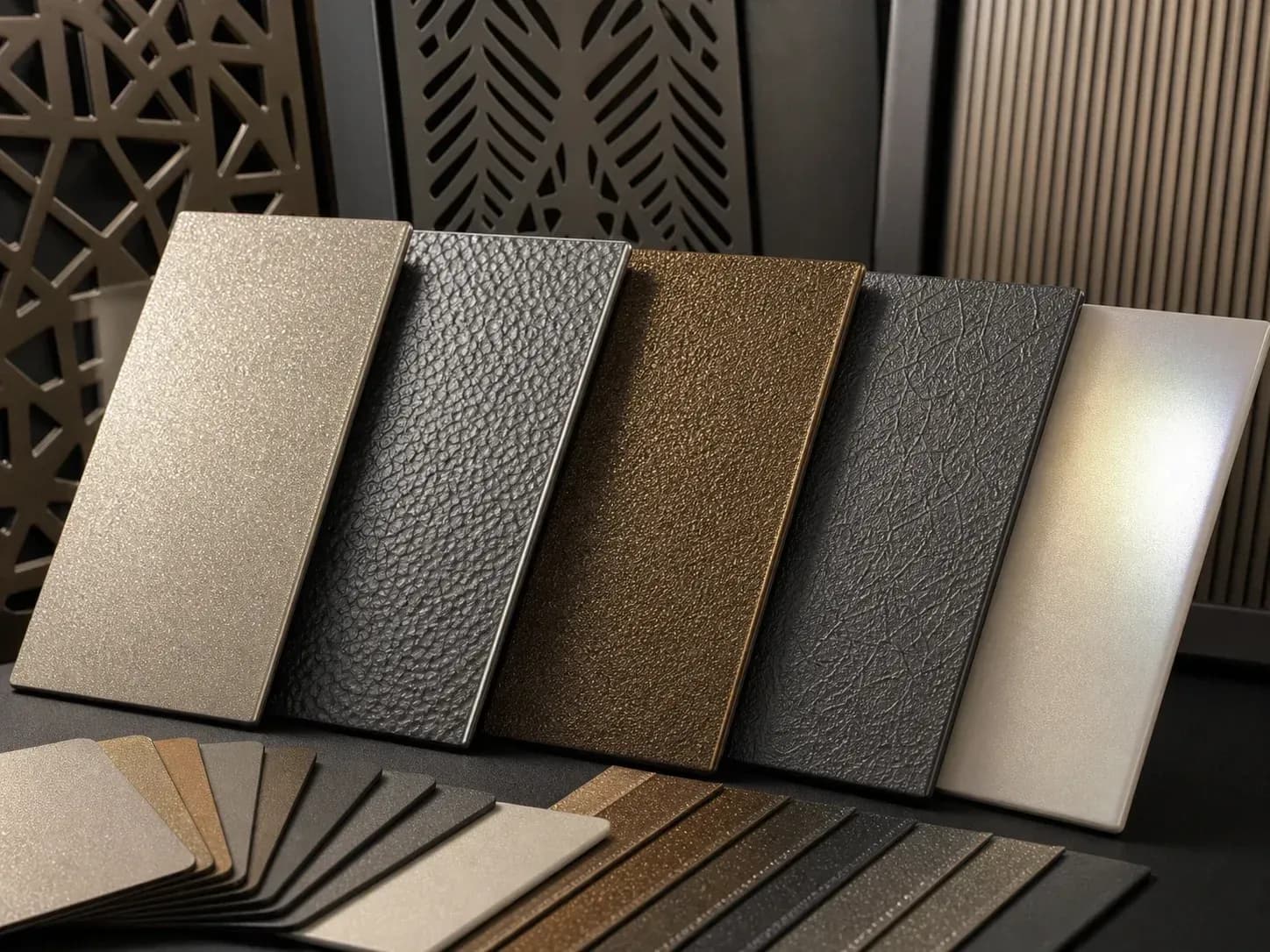
Define the target color, gloss and texture using a physical reference. Agree the gloss measurement method and angle where a numerical target is required. Gloss readings and perceived glare answer different questions: evaluate the assembled fitting under its intended light source, viewing positions and surroundings as well.
Photographs and screen images help explain the design, but the approval should include a coated sample that can be inspected under agreed lighting. Avoid accepting a dark-looking panel as proof of a specified light-absorption or anti-glare result.
Use a representative fitting for appearance approval
Choose a sample with the actual grille openings, bends, cut edges and recessed faces. Confirm the substrate and preparation route before coating. Check whether the finish changes the appearance of narrow openings, assembly clearances or the junction between neighboring components.
Keep the approved sample, lighting arrangement and inspection notes together. During the line trial, record film thickness and the actual part-temperature cure profile for the selected formulation. Review color, gloss and texture after curing and after any agreed handling or cleaning checks.
State humidity and cleaning conditions before choosing a family
Tell the supplier whether the fitting is used in a controlled interior, a damp space or an exterior location. Describe condensation, direct water contact, ventilation and the cleaning products and cleaning frequency expected in service. Where moisture exposure is important, agree how the complete substrate, pretreatment and coating system will be assessed.
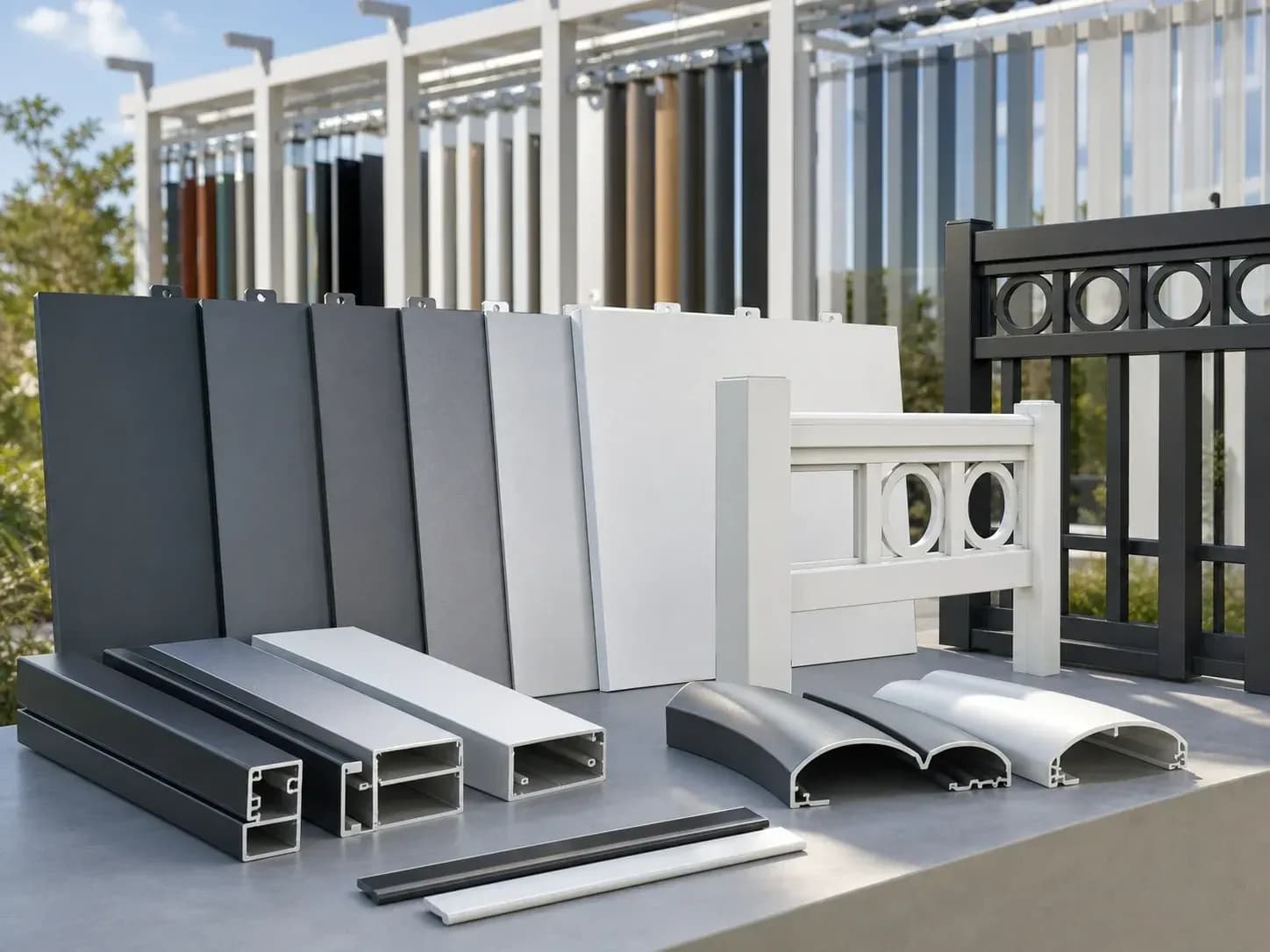
DAMEI's indoor epoxy-polyester powder coating is intended for metalwork in controlled interior environments, with color, gloss, texture and line conditions confirmed through samples and trials. An unusually humid lighting installation needs its own qualification; the resin-family name does not establish suitability.
For fittings exposed to sustained sunlight and exterior weathering, discuss DAMEI's outdoor pure polyester powder coating. Select the exact grade, preparation, film build and test requirements for the destination. The specialist optical and humidity performance reported in the Vatican project belongs to that reported coating system and must be established separately for any proposed DAMEI formulation.
Prepare a useful lighting-component inquiry
Send DAMEI the component drawing, substrate, installation location and finish reference. Add the surfaces with an optical function, the intended lighting and viewing arrangement, cleaning conditions, available cure profile and required acceptance tests.
Contact DAMEI to discuss candidate powders and sample arrangements. Agree the visual and environmental checks before approving a representative fitting, then retain that evidence as the reference for production review.