
New research separates curing speed from the complete finish
A study published on October 23, 2026 in the Journal of Coatings Technology and Research investigated catalytic infrared curing of one polyester powder and two hybrid powders. Its experimental programme assessed adhesion, hardness, impact resistance, color difference and gloss together. The authors reported faster curing under their tested conditions, with appearance tradeoffs at higher radiation intensity.
The purchasing implication is practical: a shorter heating cycle is useful only when the resulting component also meets its agreed finish and performance requirements. The paper used other manufacturers' powders and thin tinplate specimens. It does not qualify a DAMEI formulation, a production oven or a heavy fabricated part for infrared curing.
Treat a change of heat source as a process change
A conventional hot-air curing schedule should not automatically become an infrared recipe. Discuss the proposed heat source with both the powder supplier and equipment provider. Identify whether the line uses catalytic infrared, electric infrared, convection or a combination, and describe the parts being processed.
For an existing line, retain the accepted hot-air process as a comparison. Record the exact powder grade, substrate, preparation, film thickness and reference appearance. Keep those variables controlled while evaluating the new heating arrangement, so an observed change can be investigated without several simultaneous formulation or process changes.
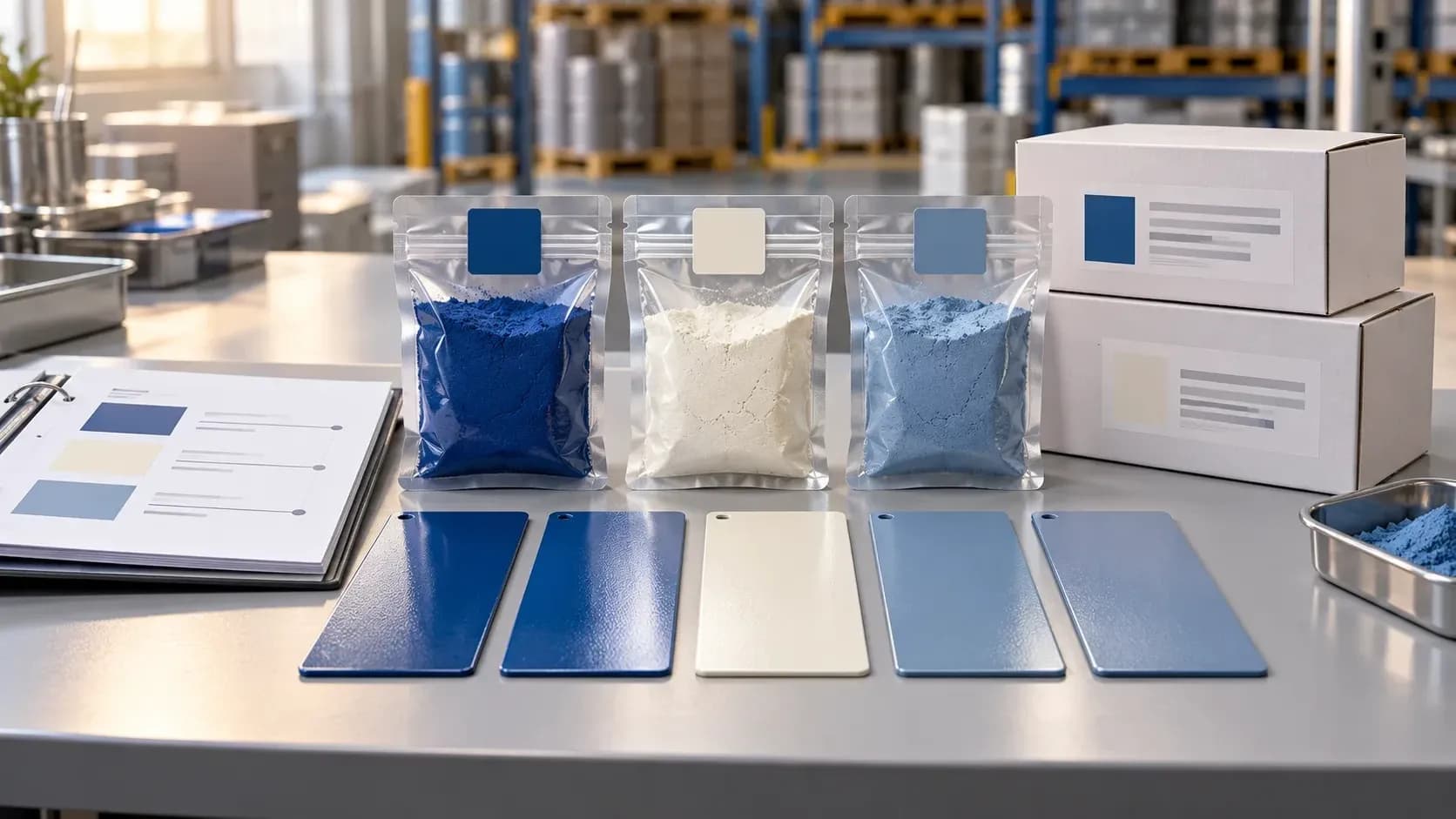
DAMEI's indoor epoxy-polyester powder coating and outdoor pure polyester powder coating are relevant product families to discuss when planning a trial. Their different service environments remain part of selection. Neither a resin-family name nor a conventional curing instruction establishes infrared compatibility for every grade.
Measure the part and examine its geometry
Ask the equipment team to define an appropriate temperature-measurement method for the trial. Record the component's actual time-temperature history, not just a heater setting. Include thin and thick sections, visible and shielded faces, and the loading pattern expected in production.
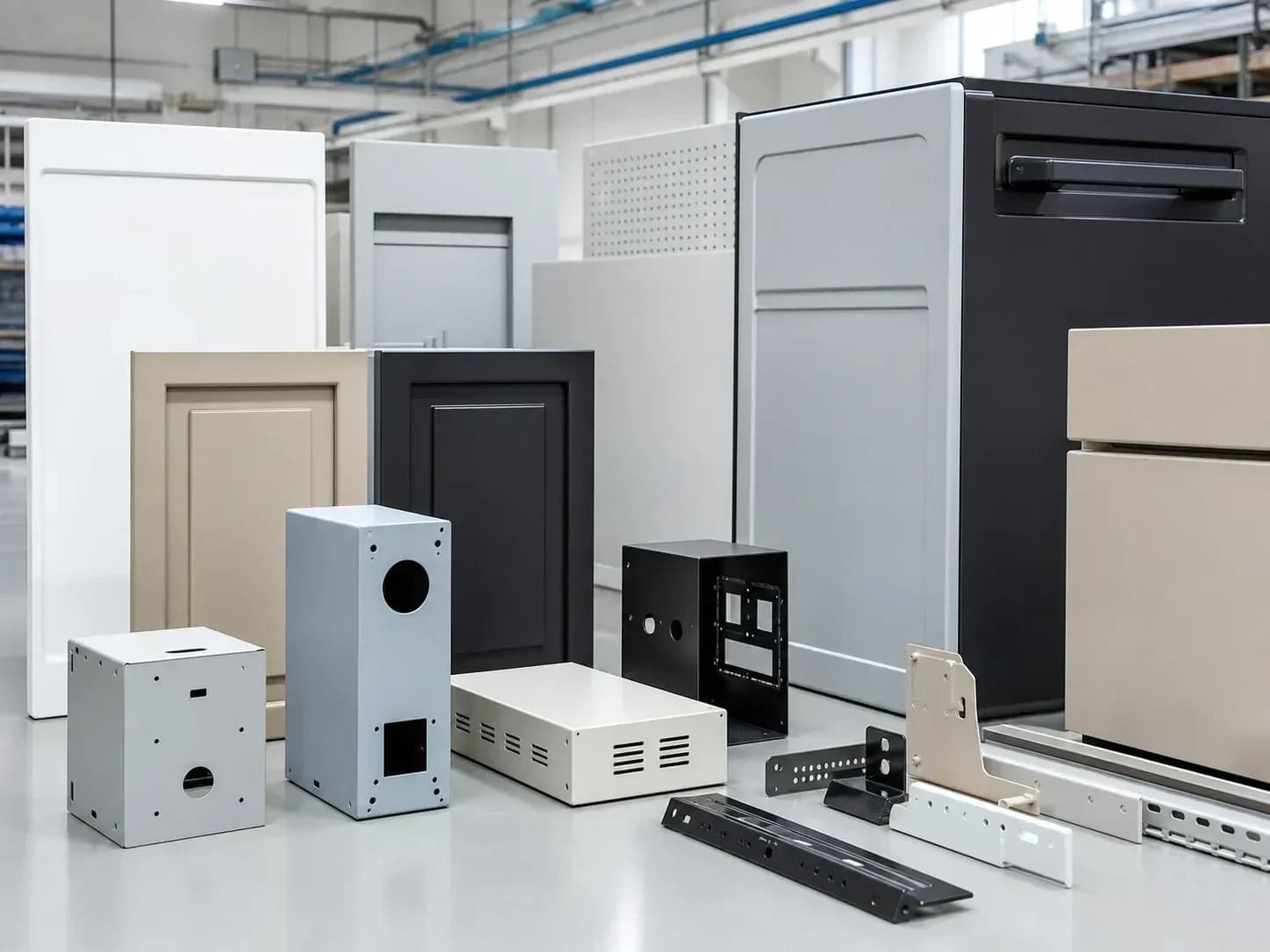
A flat test panel is useful for comparing controlled conditions. Follow it with a representative component before approving a production route. For a folded enclosure or fabricated assembly, review orientation, distance from the heating source and areas screened by adjacent features. State what will happen when the rack contains different part sizes. The study's thin specimens do not establish the heating behaviour of those assemblies.
Review mechanical results and appearance together
Agree acceptance criteria before comparing cycle times. Use the relevant technical data and buyer specification to select tests, then document the method and result rather than relying on a statement that a sample “looks cured.”
- Compare adhesion, hardness and impact performance where required by the application.
- Check color against the approved reference under agreed viewing conditions.
- Measure gloss using the specified method and inspect flow, texture and visible defects.
- Record film thickness and actual curing conditions with each tested sample.
- Confirm any required corrosion or weathering evidence for the intended service environment separately.
If a faster setting changes color or gloss beyond the allowed range, it has not met the agreed approval target. Review the combined result with the supplier and equipment team before changing the production specification.
Send a trial brief that supports a useful decision
Contact DAMEI with the intended application, powder reference if known, substrate, part drawing, heating technology, available temperature profile and required finish tests. We can discuss candidate powders and the evidence needed for a controlled trial. Keep the approved process settings, samples and test results together before deciding whether the proposed heating change is ready for production.