Container House Powder Coating
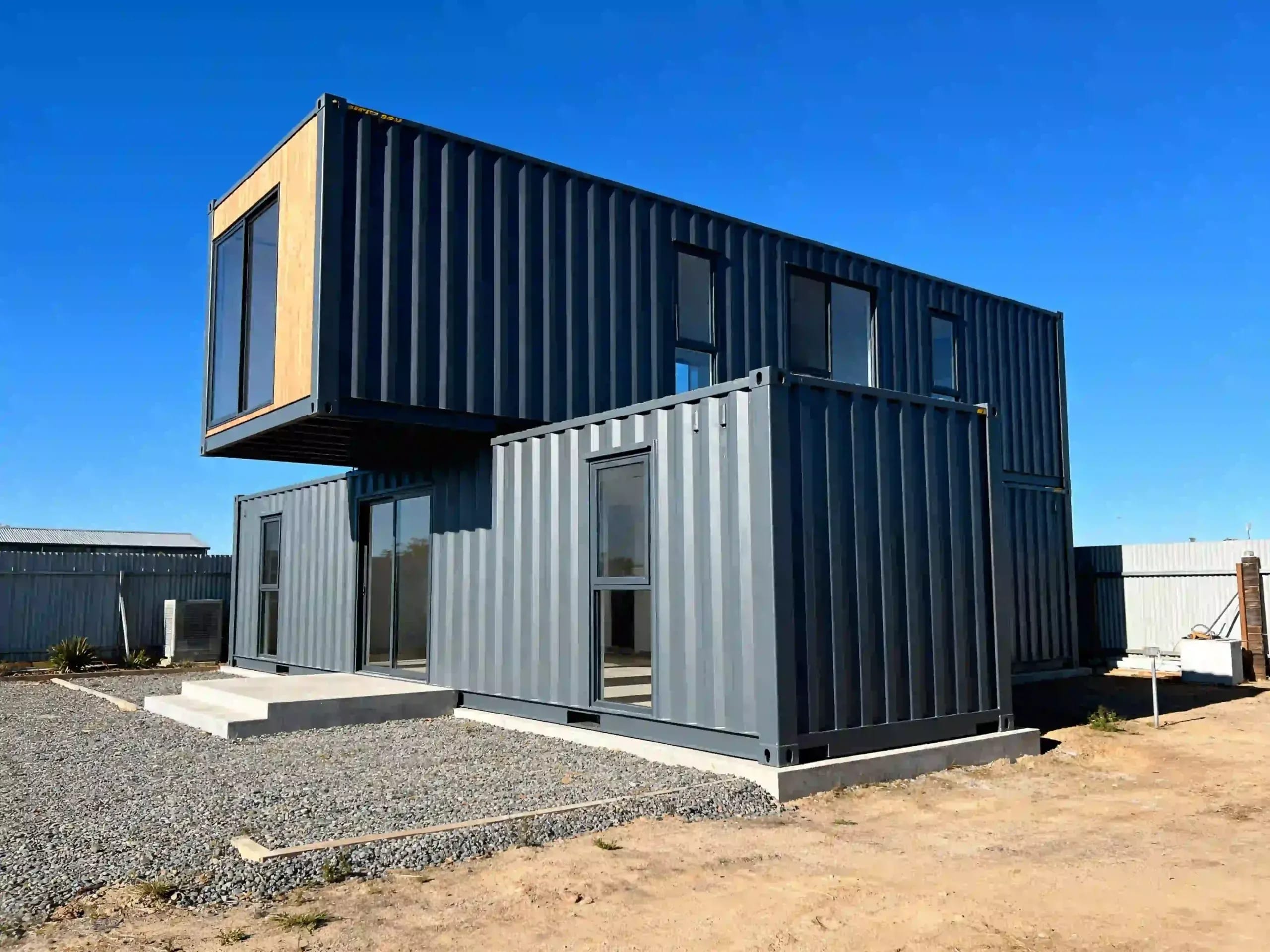
Polyester powder coating developed for container-house frames, panels, and fabricated steel components. Formulation and line trials focus on large-part coverage, color consistency, outdoor exposure, transfer behavior, pretreatment, film build, and cure efficiency.
Container House Powder Coating
Industrial CoatingsPolyester powder coating developed for container-house frames, panels, and fabricated steel components. Formulation and line trials focus on large-part coverage, color consistency, outdoor exposure, transfer behavior, pretreatment, film build, and cure efficiency.
Sample format, cost, shipping and timing are confirmed after reviewing your B2B project.
Powder coating for container-house and modular steel production
DAMEI container-house powder coating is developed for fabricated steel frames, panels, doors, trim, brackets, and related modular-building components. Buyers typically need consistent coverage on large parts, stable color across multiple batches, practical line efficiency, and a corrosion system suitable for storage, transport, assembly, and the final climate.
No single “container” formula is correct for every project. The powder must be selected with the substrate, weld condition, pretreatment, part design, exterior exposure, target finish, oven capacity, line speed, and buyer test specification.
Production priorities
- Large-part coverage: verify film build on broad faces, edges, welds, corners, joints, and shadowed areas.
- Color continuity: use approved panels and batch planning for components installed next to one another.
- Transfer behavior: optimize powder delivery, booth airflow, grounding, gun layout, and reclaim for the actual line.
- Cure efficiency: measure the metal temperature of the heaviest and lightest parts to avoid under-cure or unnecessary oven time.
- Outdoor durability: select the polyester grade and full pretreatment system for the installation climate and required tests.
About low-dust and transfer-efficiency claims
Dust level, first-pass transfer, reclaim yield, and material consumption are outcomes of the powder, equipment, booth, airflow, grounding, operators, part geometry, and production settings together. They should be measured during a controlled line trial. DAMEI does not publish one universal efficiency percentage or guaranteed cost saving for every factory.
Qualification workflow
- Map the substrates, part sizes, welds, edges, and masking requirements.
- Document cleaning, pretreatment, rinse-water quality, drying, hanging, and grounding.
- Set the color, gloss or texture, film range, outdoor exposure, and acceptance tests.
- Coat representative frames and panels while recording powder use and line parameters.
- Verify actual part temperature, appearance, thickness distribution, adhesion, cure, and required corrosion or weathering performance.
- Approve the sample, process window, and retained reference before bulk supply.
Evidence and compliance
Request the technical data sheet, safety data sheet, approved panel, sample test record, and available batch documents for the selected formulation. Building, fire, drinking-water, or other end-use compliance cannot be inferred from a generic powder or company certificate; it must be established for the exact material, component, and jurisdiction.
DAMEI's company ISO certificates can be checked on the About page. To compare supplier qualification, visit the China manufacturer sourcing guide.
Request a line-matched sample
Send part drawings or photographs, steel grade, pretreatment, largest dimensions, oven limits, line speed, annual usage, color, finish, destination climate, and test requirements through the contact form.
Frequently asked questions
Can you guarantee a fixed transfer-efficiency percentage?
No responsible supplier can guarantee one value without the line, part, booth, and recovery conditions. Measure it during the production trial.
Which powder chemistry is used outdoors?
Polyester systems are normally evaluated for UV-exposed components, with the durability grade selected for the project.
How is color kept consistent across panels and frames?
Use one approved physical standard, controlled application settings, retained panels, batch planning, and an agreed inspection method.
Does powder coating alone prevent corrosion?
No. Steel condition, weld preparation, pretreatment, edge coverage, cure, handling, and installation damage are part of the corrosion system.
Can the same coating be used for every destination climate?
Not by assumption. Coastal, high-UV, cold, humid, and industrial environments can require different systems and validation.
| Feature | Specification |
|---|---|
| Product family | Polyester powder coating for modular-building steel components |
| Intended exposure | Indoor or outdoor grade selected for the stated destination climate and component |
| Substrate | Fabricated steel or other agreed metal with project-specific pretreatment |
| Application method | Electrostatic spray; coverage and material use measured on the actual line |
| Color and finish | Approved physical panel with agreed gloss, texture, and inspection method |
| Film thickness | Measured on faces, welds, edges, corners, and shadowed areas |
| Cure schedule | Actual metal-temperature profile verified for heavy and light parts |
| Approval basis | Representative frames and panels, process window, and named buyer tests |
| Documentation | Confirm available TDS, SDS, approved panel, sample report, and batch records |
Technical data for product qualification
Use these manufacturer TDS documents as a starting point for chemistry, finish, cure and test review. Confirm the exact formulation, revision and project acceptance criteria before approval or bulk ordering.
DM-104 Zinc-Containing Epoxy Primer (5% Zn, 60–70 GU) TDS
Primers & Coating Systems · 3 pages
DM-105 Zinc-Free Epoxy-Polyester Primer TDS
Primers & Coating Systems · 3 pages
DM-108 Pure Polyester Topcoat Powder Coating TDS
Primers & Coating Systems · 3 pages