Powder coating systems for external valve and pipe surfaces, developed around the substrate, pretreatment, service environment, geometry, and required corrosion tests. Potable-water, internal-contact, or regulated applications require separate documented approval for the exact formulation and end use.
Powder coating systems for external valve and pipe surfaces, developed around the substrate, pretreatment, service environment, geometry, and required corrosion tests. Potable-water, internal-contact, or regulated applications require separate documented approval for the exact formulation and end use.
Format, biaya, pengiriman, dan waktu dikonfirmasi setelah proyek B2B Anda ditinjau.
Use these manufacturer TDS documents as a starting point for chemistry, finish, cure and test review. Confirm the exact formulation, revision and project acceptance criteria before approval or bulk ordering.
Primers & Coating Systems · 3 pages
Primers & Coating Systems · 3 pages
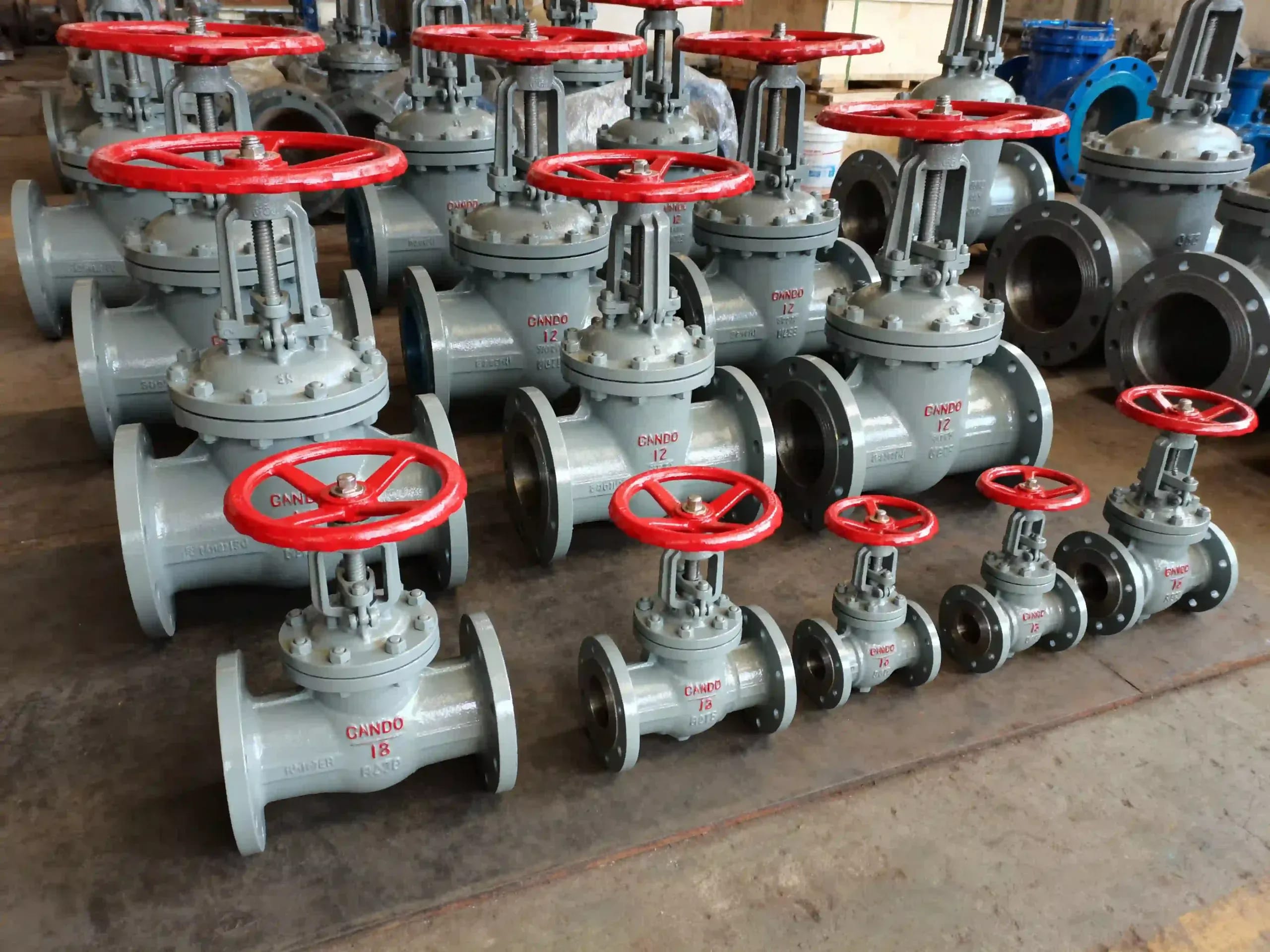

DAMEI valve and pipe powder coatings are developed for external metal surfaces that need controlled coverage, adhesion, and corrosion protection. Typical projects include valve bodies, fittings, pipe accessories, flanges, pumps, and fabricated piping components used in industrial, water-handling, HVAC, and infrastructure environments.
The correct coating cannot be selected from the words “valve” or “pipe” alone. Buyers should identify the substrate, whether the surface is internal or external, service medium, operating temperature, chemical exposure, installation environment, pretreatment, component standard, and required test method.
A general valve or pipe powder is not automatically approved for drinking-water contact, food contact, fire-system listing, or another regulated end use. Any third-party product claim requires valid documentation that names the exact product, scope, and conditions. If your application is regulated, provide the required certificate or standard before sampling; DAMEI will confirm whether an applicable documented formulation is available. Do not infer approval from a color, resin type, or company management certificate.
Castings and complex valve bodies can trap oil, release gas during cure, and create Faraday-cage areas. The qualification plan may therefore include staged cleaning, outgassing evaluation, suitable pretreatment, adjusted electrostatic settings, and inspection of edges, cavities, threads, and flange faces. Masking requirements should be defined before the trial.
Corrosion results depend on the complete system. A salt-spray duration from one sample is meaningful only when the substrate, preparation, coating, scribe, film build, cure, and evaluation method are stated. Use representative parts and the buyer's test method for approval.
For the exact proposed formulation, request the available technical data sheet, safety data sheet, sample report, color record, and batch documentation. For regulated service, request the current product-specific certificate and verify its issuer, scope, validity, and product identity before relying on it.
DAMEI's ISO 9001, ISO 14001, and ISO 45001 management-system certificates are visible on the About page. They support company transparency but do not replace end-use product approval.
Send the drawing or part photos, substrate, pretreatment, internal/external contact, service medium, temperature range, required tests, color, annual volume, and line conditions through the contact form. DAMEI can then propose a sample and validation plan rather than making a generic performance promise.
No blanket certification is claimed on this page. Potable-water use requires current product-specific documentation for the exact formulation and jurisdiction.
Not by assumption. Internal contact and external exposure have different application, safety, and certification requirements.
Entrapped contamination, porosity, moisture, and gas released during cure are common contributors. Cleaning, preheating or outgassing strategy, formulation choice, and cure profile should be evaluated together.
Name the substrate, pretreatment, test standard, specimen preparation, duration, and acceptance rating. A standalone hour number is incomplete.
Yes, subject to a physical reference, finish target, substrate, and production trial.
Temukan lebih banyak solusi powder coating.
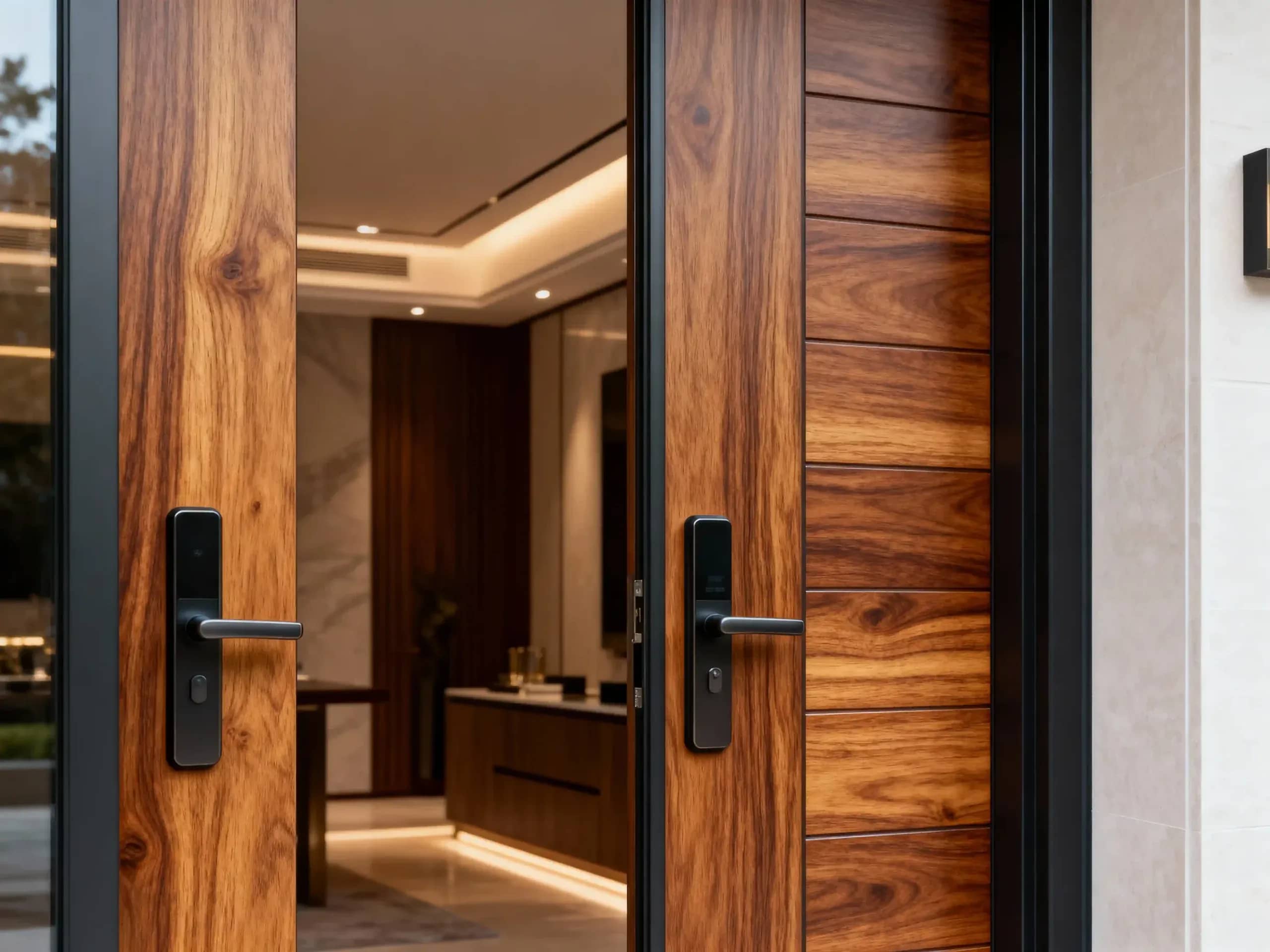
Pelapisan bubuk bermotif kayu untuk logam menggabungkan bubuk dasar dengan film transfer sublimasi yang kompatibel. Sebelum menetapkan hasil akhir, tinjau bubuk dasar poliester DM766-PA, kondisi curing yang terdokumentasi, dan pemeriksaan persetujuan sampel.
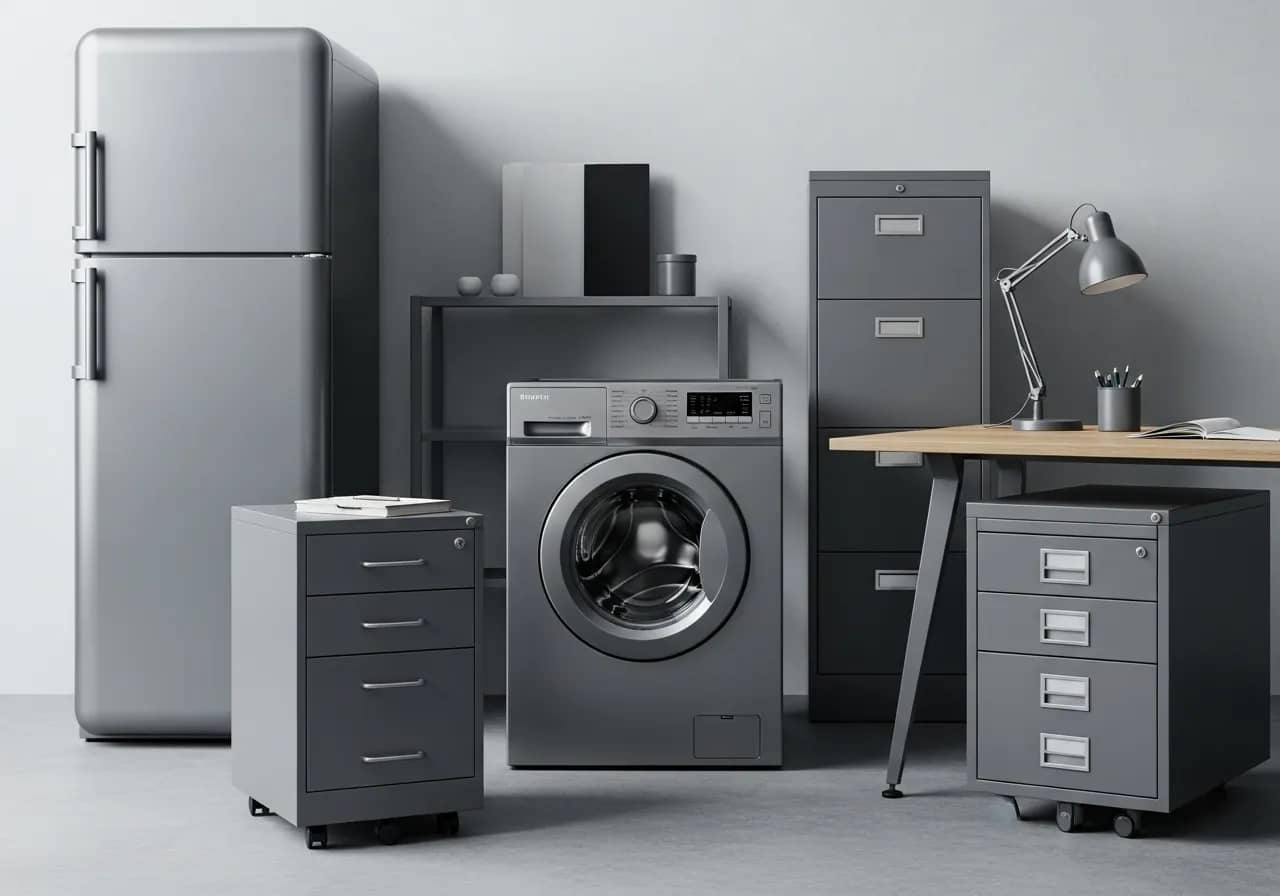
Lapisan serbuk epoksi‑poliester hibrida untuk produk logam dalam ruangan yang memerlukan hasil akhir yang halus, adhesi yang andal, serta keseimbangan praktis antara tampilan estetika dan performa mekanis. Warna, tingkat kilap, tekstur, rentang suhu pengeringan, serta pengaturan jalur produksi telah diverifikasi melalui sampel dan uji coba produksi.
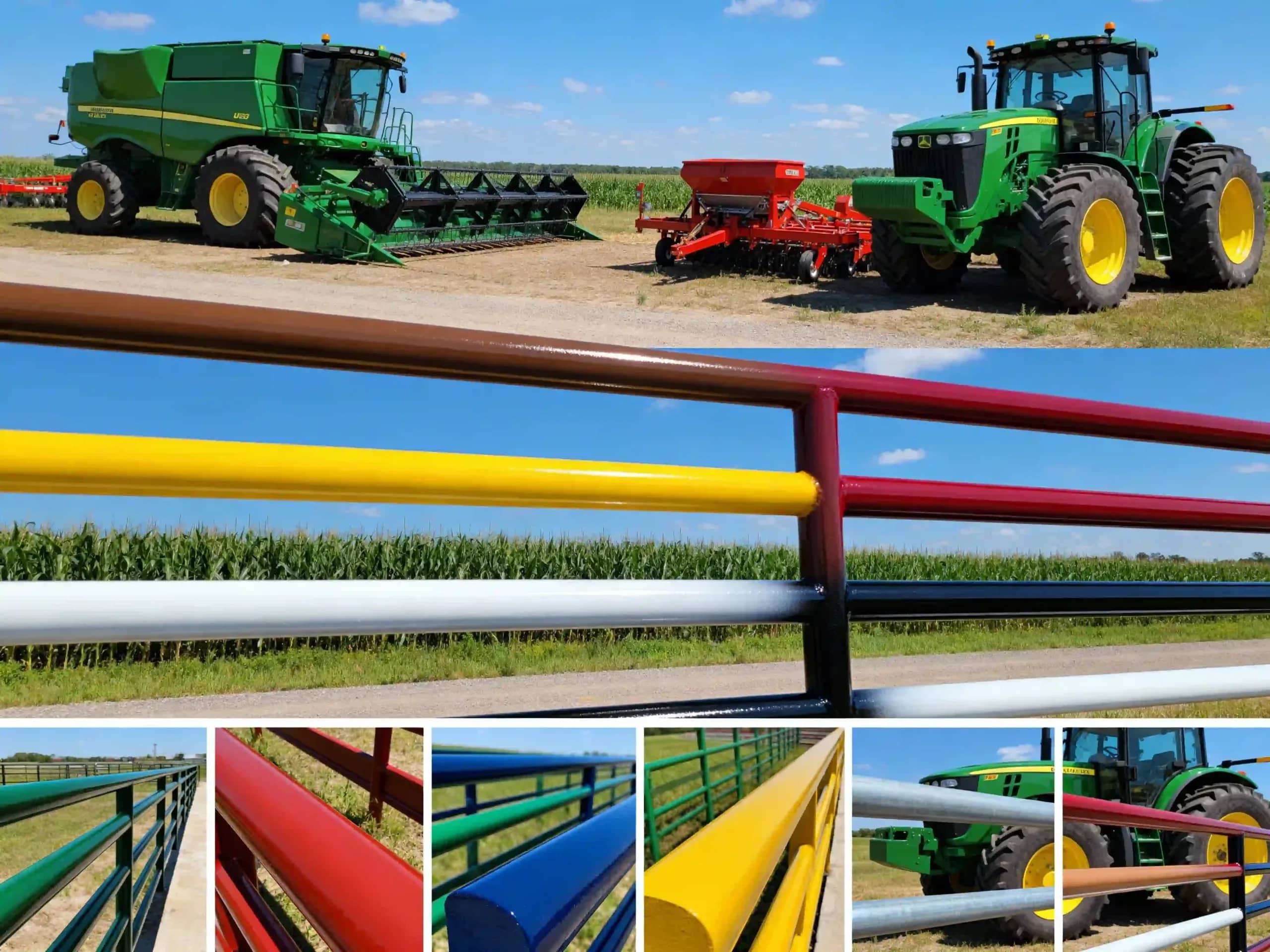
Lapisan serbuk poliester murni yang dirancang khusus untuk produk logam eksterior, di mana ketahanan terhadap cuaca, daya tahan warna, dan ketahanan sistem terhadap korosi menjadi faktor penentu. Tingkat ketahanan, jenis finishing, pretreatment, ketebalan lapisan, serta profil pengeringan yang tepat dipilih dan divalidasi sesuai dengan kebutuhan proyek.