From Ocean-Going "Steel Boxes" to Livable Homes — Why Coatings Matter Every...

5 июля 2026 г.

Every year, over 3 million shipping containers retire from global trade routes. These rugged steel boxes are finding a second life as homes, offices, cafés, and hotels — sparking a worldwide green architecture movement. But these containers have spent years crossing oceans: tropical sun, corrosive salt spray, polar cold, and relentless humidity. Chloride ions have seeped into every weld seam, bolt hole, and corner fitting. Without a coating strategy purpose-built for these “marine-specific” challenges, even the best powder coating will fail within a single rainy season. This article explores the unique demands of powder coating shipping containers and delivers a complete technical playbook.
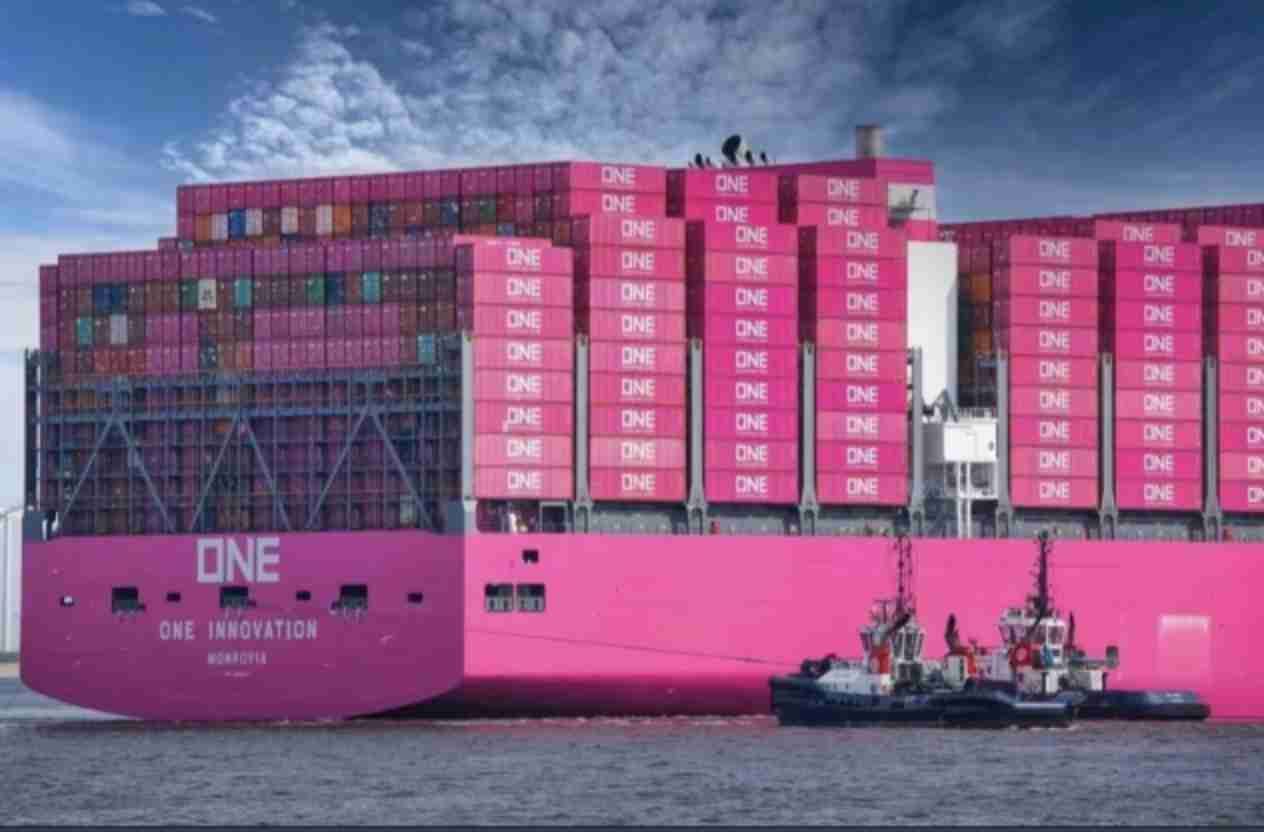
Shipping containers are fundamentally different from ordinary structural steel. Manufactured to ISO 1496 standards and originally coated with heavy-duty marine paint systems (typically inorganic zinc silicate primer + epoxy intermediate + polyurethane topcoat), they present three unique hurdles for powder coating:
During years of ocean service, shipping containers are exposed to a high-salinity marine atmosphere. Chloride ions (Cl⁻) penetrate deep into every crevice: weld gaps, rivet holes, corner castings, and floor-to-wall junctions. If these salts are not completely removed before powder coating, osmotic pressure builds beneath the coating, causing widespread blistering and corrosion within months — a failure mode known in the industry as “osmotic blistering.” This is the leading cause of coating failure on shipping containers and the single biggest difference from coating ordinary steel structures.
Shipping containers leave the factory coated with solvent-based marine-grade paints (epoxy/polyurethane systems), which have fundamentally different curing mechanisms and adhesion characteristics compared to powder coatings. Applying powder directly over these old coatings will result in poor interlayer adhesion. Abrasive blasting to bare metal (Sa 2.5) is essential to remove all traces of the original paint system. Additionally, containers carry numerous warning labels, shipping marks, and adhesive residues that must be stripped completely.
Most shipping container bodies are made from COR-TEN weathering steel (a high-strength low-alloy steel containing Cu, Cr, and Ni). This steel naturally develops a dense, protective oxide layer (the familiar rust-like patina). However, when repurposed as living space, this oxide layer must be fully removed — it retains moisture and will compromise powder coating adhesion over time. What’s more, COR-TEN’s alloying elements react differently to pretreatment chemicals than ordinary carbon steel, requiring adjusted phosphating parameters.
🔑 Remember this: Shipping containers ≠ ordinary steel. Salt residues and legacy marine paint are the decisive factors in coating success. Get the surface preparation wrong, and nothing else matters.
Once the three “marine barriers” are addressed, the powder coating itself must deliver in five critical areas to ensure long-term performance:
Even after thorough pretreatment, trace chlorides may remain within the steel matrix of a shipping container. The powder coating must provide excellent barrier properties and wet adhesion. We recommend a two-coat system: zinc-rich epoxy primer + weather-resistant polyester topcoat. The zinc-rich primer provides cathodic protection, while the topcoat delivers UV and weather resistance. This system should achieve 1,000+ hours of neutral salt spray (NSS) testing with ≤ 2 mm creepage from the scribe line.
As a permanent building exposed to direct sunlight, a converted container’s coating must far exceed the requirements of its former shipping life. Polyester/HAA systems (triglycidyl isocyanurate-free) offer the best balance of performance and cost. We recommend testing to AAMA 2603/2604 standards: 1,000+ hours of xenon-arc accelerated weathering, color change ΔE ≤ 5.0, and gloss retention ≥ 70%.
Container conversion involves cutting, welding, fenestration, and stacking. The powder coating must withstand these mechanical stresses. Key benchmarks: cross-hatch adhesion (Grade 0), impact resistance (≥ 50 cm·kg), cupping test (≥ 6 mm Erichsen), and mandrel bend (no cracking at 2 mm diameter).
As a habitable space, the coating must comply with RoHS, REACH, and applicable local regulations, with strict limits on lead, cadmium, hexavalent chromium, and other heavy metals. Powder coatings naturally contain near-zero VOCs, making them ideal for enclosed living environments.
A shipping container’s complex geometry — corner castings, corrugated panels, weld seams — creates Faraday cage effects that disrupt powder deposition in recessed areas. The powder must have excellent thick-film application properties (single-coat build of 80–120 μm without sagging or orange peel) and be compatible with multi-gun and automated reciprocator systems.
🔑 Quick Reference — Key Performance Targets: NSS ≥ 1,000h · Xenon-arc ≥ 1,000h · Adhesion Grade 0 · Erichsen ≥ 6mm · Bend ≤ 2mm · RoHS compliant · Single-coat 80–120μm
Based on the specific requirements of each area of a shipping container conversion, we recommend the following powder coating solutions:
| Application Area | Recommended System | Key Properties | Recommended DFT |
|---|---|---|---|
| Exterior Walls | Polyester / HAA Weather-Resistant | UV resistance 1,000h+, gloss retention ≥ 80% | 80–120 μm |
| Roof Panels | High-Durability Polyester (UV-stabilized) | Heat resistance, UV resistance, anti-chalking | 100–140 μm |
| Interior Walls | Epoxy/Polyester Hybrid | Strong adhesion, scratch-resistant, eco-friendly | 60–100 μm |
| Primer / Anti-Corrosion Layer | Zinc-Rich Epoxy Primer | Salt-spray 1,000h+, cathodic protection | 60–80 μm |
| Door & Window Frames | Super-Durable Polyester | High gloss, 30-year weather warranty | 70–100 μm |
For flagship or high-budget projects, PVDF fluorocarbon powder coatings offer the ultimate durability — 20 to 30 years of weather resistance. While significantly more expensive, PVDF is the gold standard for iconic container architecture that demands uncompromising longevity.
Choosing the right coating is only half the battle. For shipping containers, proper application — especially surface preparation — dictates coating life. Here are the key control points that differ from standard structural steel coating:
⚠️ This step cannot be overemphasized for shipping containers. The surface typically carries: legacy marine paint (inorganic zinc silicate/epoxy), sea salt crystals (chlorides), oil/grease (lubricants, cargo residues), and COR-TEN steel’s natural oxide layer. Recommended process:
The following issues are the most frequently encountered when coating shipping containers for residential conversion. The first two are unique to ex-marine containers:
| Problem | Likely Cause | Solution |
|---|---|---|
| ❌ Widespread blistering within months (“osmotic blistering”) | Chloride salts trapped in steel crevices create osmotic pressure under the coating | Mandatory Bresle salt test after blasting: must be < 20 mg/m² before coating |
| ❌ Localized delamination, old paint visible underneath | Original marine paint (inorganic zinc silicate) not fully removed; interlayer adhesion fails | Blast to Sa 2.5; visually verify no glossy paint remnants remain |
| ❌ Severe fading within 1–2 years outdoors | Indoor-grade powder used, or insufficient UV resistance | Switch to polyester/HAA or PVDF exterior-grade powder |
| ❌ Premature rusting at welded areas | Weld heat drives residual salts to the surface, destroying coating adhesion | Grind weld → salt test → apply zinc-rich epoxy primer → recoat topcoat |
| ❌ Poor powder penetration in corrugation grooves | Faraday cage effect prevents powder deposition in recessed profiles | Reduce voltage to 40–50 kV; adjust gun angles or use tribo-charging guns |
| ❌ Inconsistent gloss across the container | Uneven oven temperature or non-uniform film thickness | Optimize oven air circulation; maintain temperature uniformity within ±5 °C |
As the container architecture market grows, powder coating technology is evolving rapidly in response. Here are the key developments we’re tracking:
💡 The Bottom Line: When converting a shipping container into a home, 90% of coating success depends on surface preparation. Only by addressing the container’s “marine heritage” — salt residues, legacy paint systems, and COR-TEN steel characteristics — and selecting purpose-engineered powder coatings can you achieve a finish that lasts. As a dedicated powder coating supplier, we partner with container converters worldwide to deliver complete solutions — from salt management to final cure.
Our technical team specializes in salt-contamination control, marine paint removal, and salt-spray resistant coating systems for container conversions. We offer free samples, process recommendations, and on-site technical support.📩 Request a Custom Coating Proposal →
Contact Us
Website: https://dameipowdercoating.com
Email: info@dameipowdercoating.com
WhatsApp: +86 15349299480

July 5, 2026
Загрузка...


